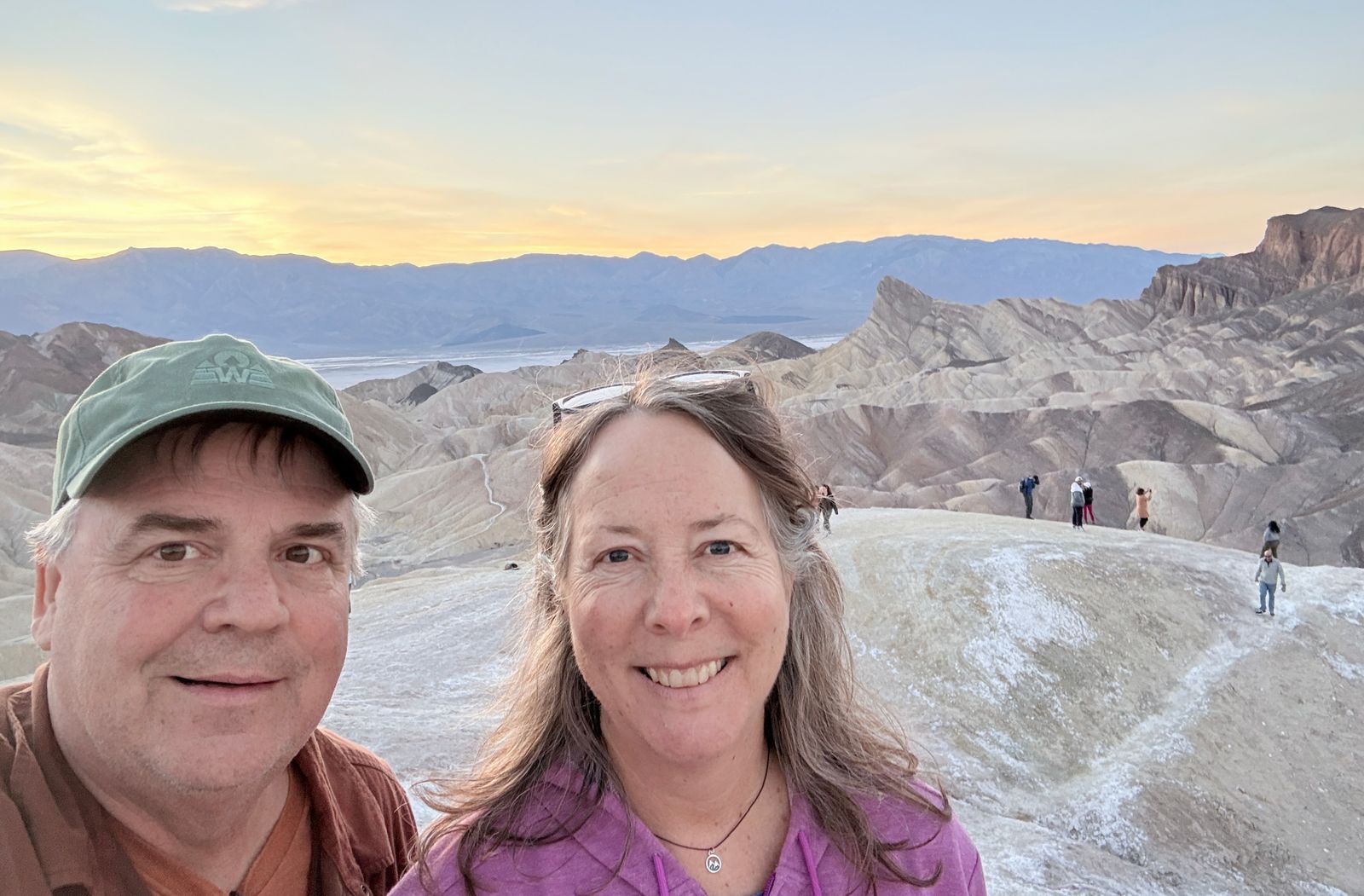

The first main stop on our 2026 winter RV trip was Death Valley National Park! It's been on our list of places to visit for a while and we finally made it. Death Valley is an extreme location - a bit out of the way and hard to get to, and very other-worldly. There are places where you'd think you are on Mars or another planet! In fact, several scenes from the first Start Wars movie (aka A New Hope) were filmed here (the Tatooine scenes). The park has great salt flats, huge mountains, sand dunes, and amazing geology covering millions of years of history. We got very lucky with the weather, with most days sunny and clear in the mid 70s to 80 and nights around 50, and no wind.
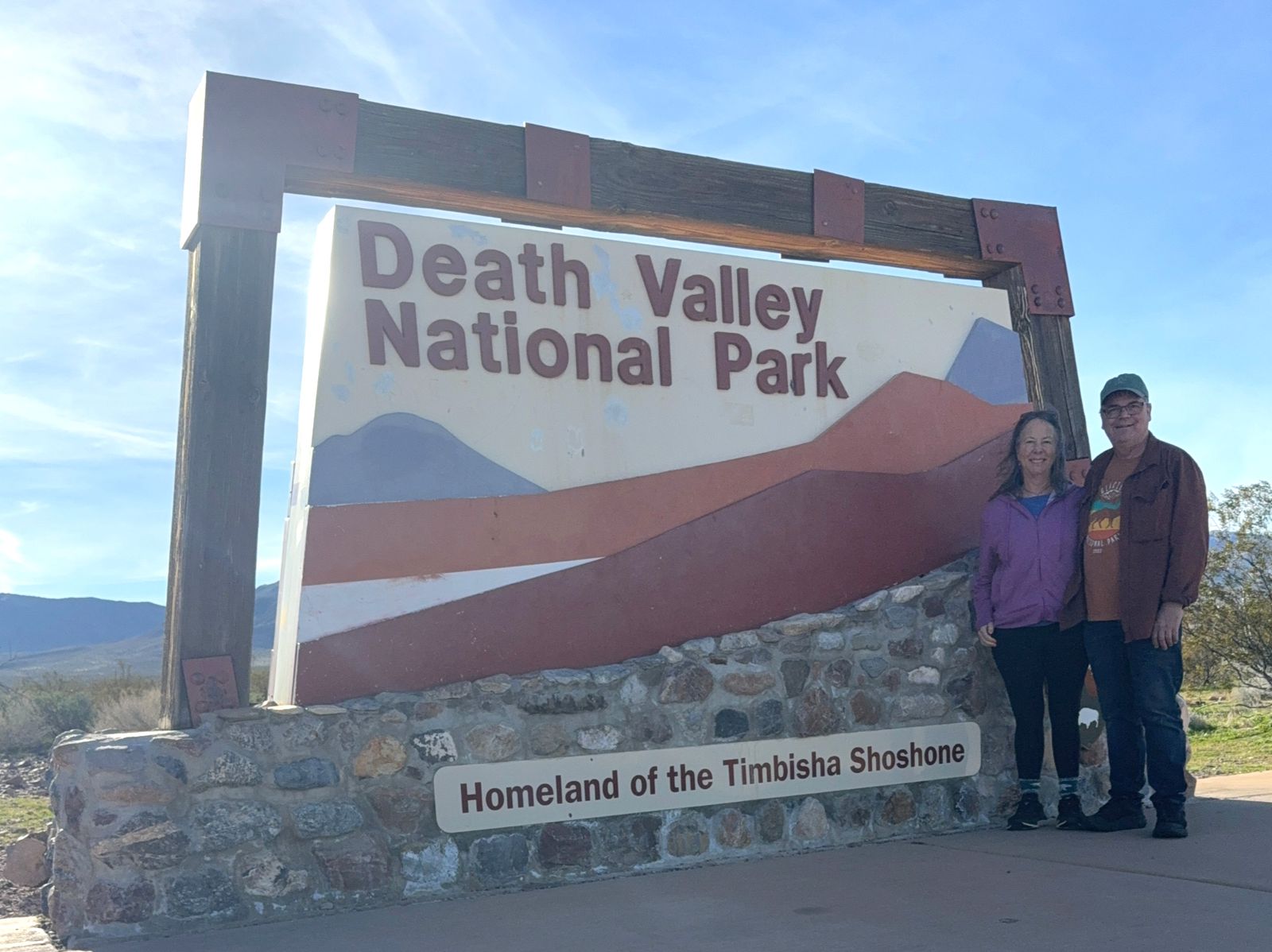
Highlights of Our Death Valley Adventure
Furnace Creek Campground
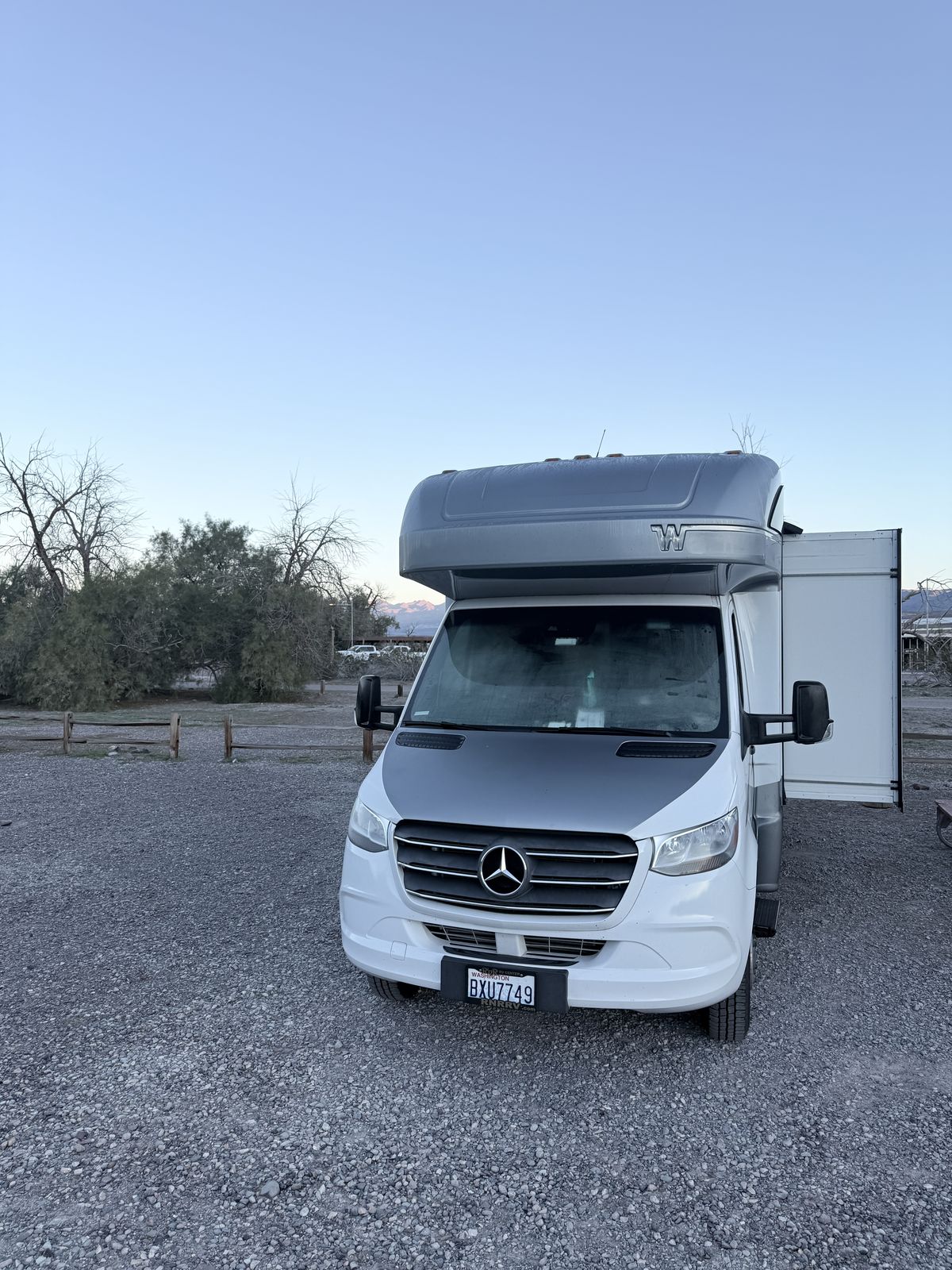
We stayed at Furnace Creek inside the park which made it very convenient for getting around. Death Valley NP is huge and requires lots of driving to see the main sites. We did not have any hookups but if you reserve early enough, they are available. Furnace Creek is the location of the hottest temperature ever recorded on Earth - 134 °F on July 10th, 1913 (second place goes to a couple locations in the Middle East).
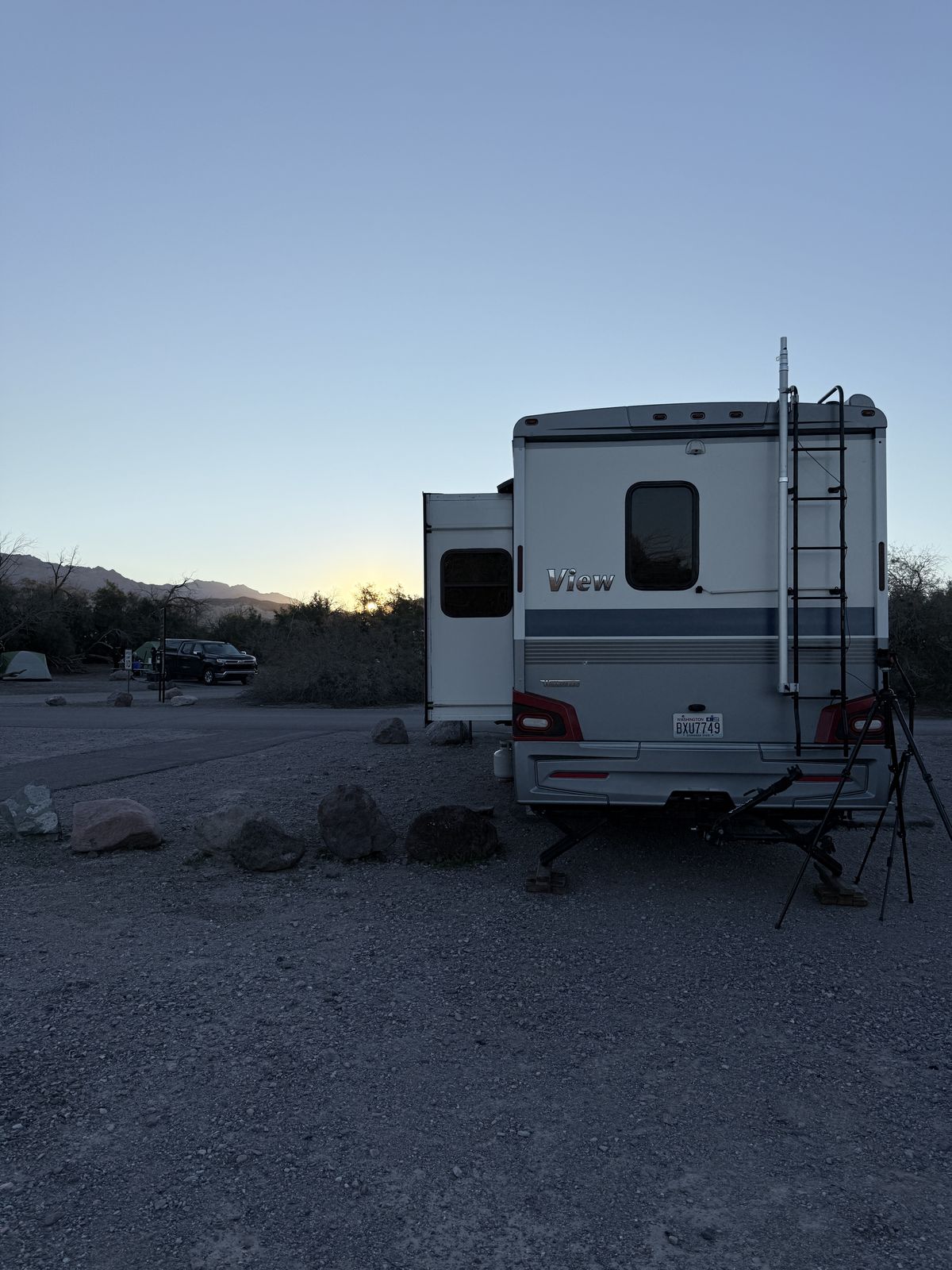
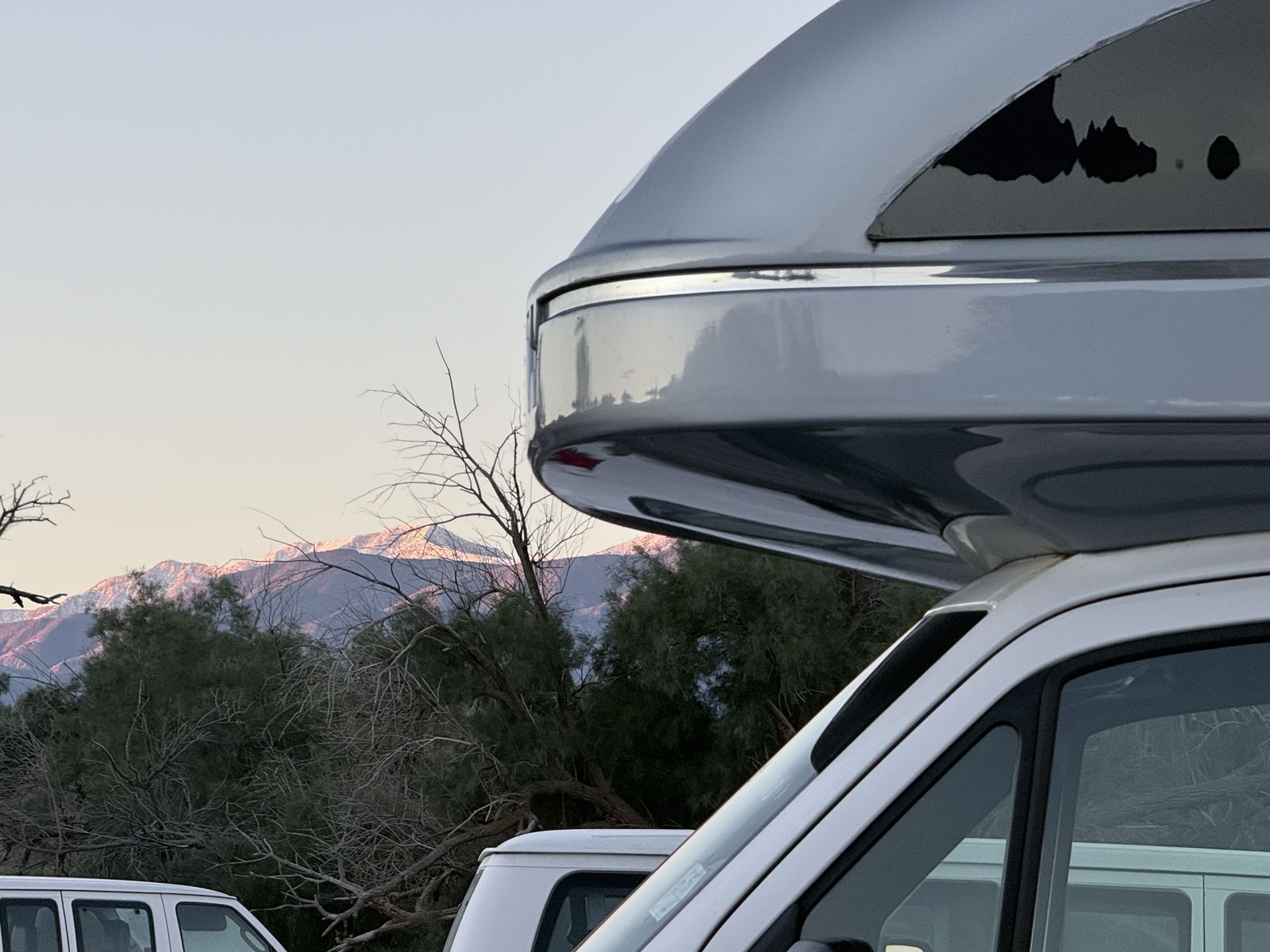
The night skies here are breathtaking with some of the darkest skies we've ever seen. The Park is an International Dark Sky Reserve and the Milky Way was on full display every night. Liz practiced finding some deep space objects with her binoculars and scope (Andromeda Galaxy and the Orion Nebula) and Clint practiced filming Star Trails with his GoPro!
Golden Canyon
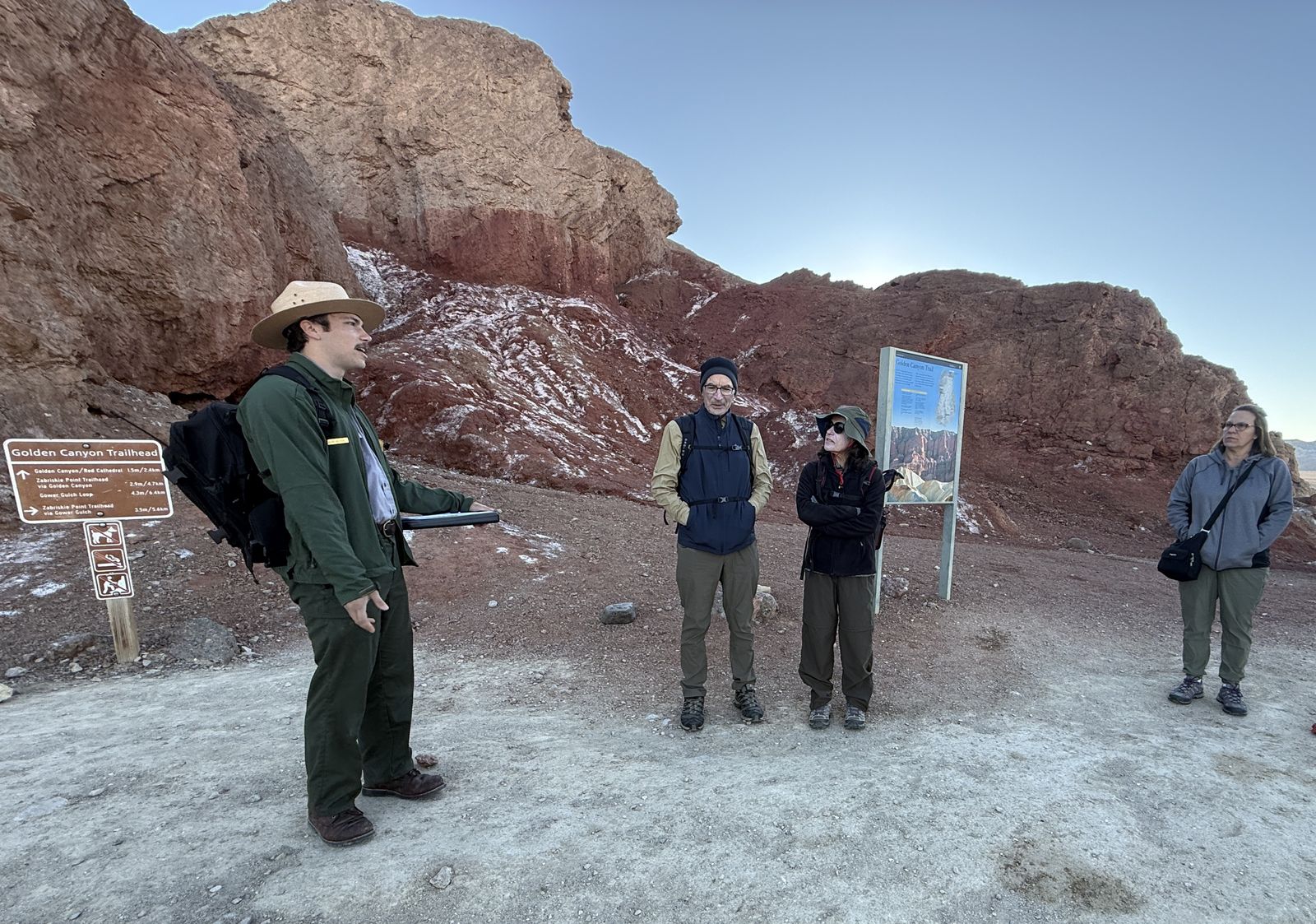
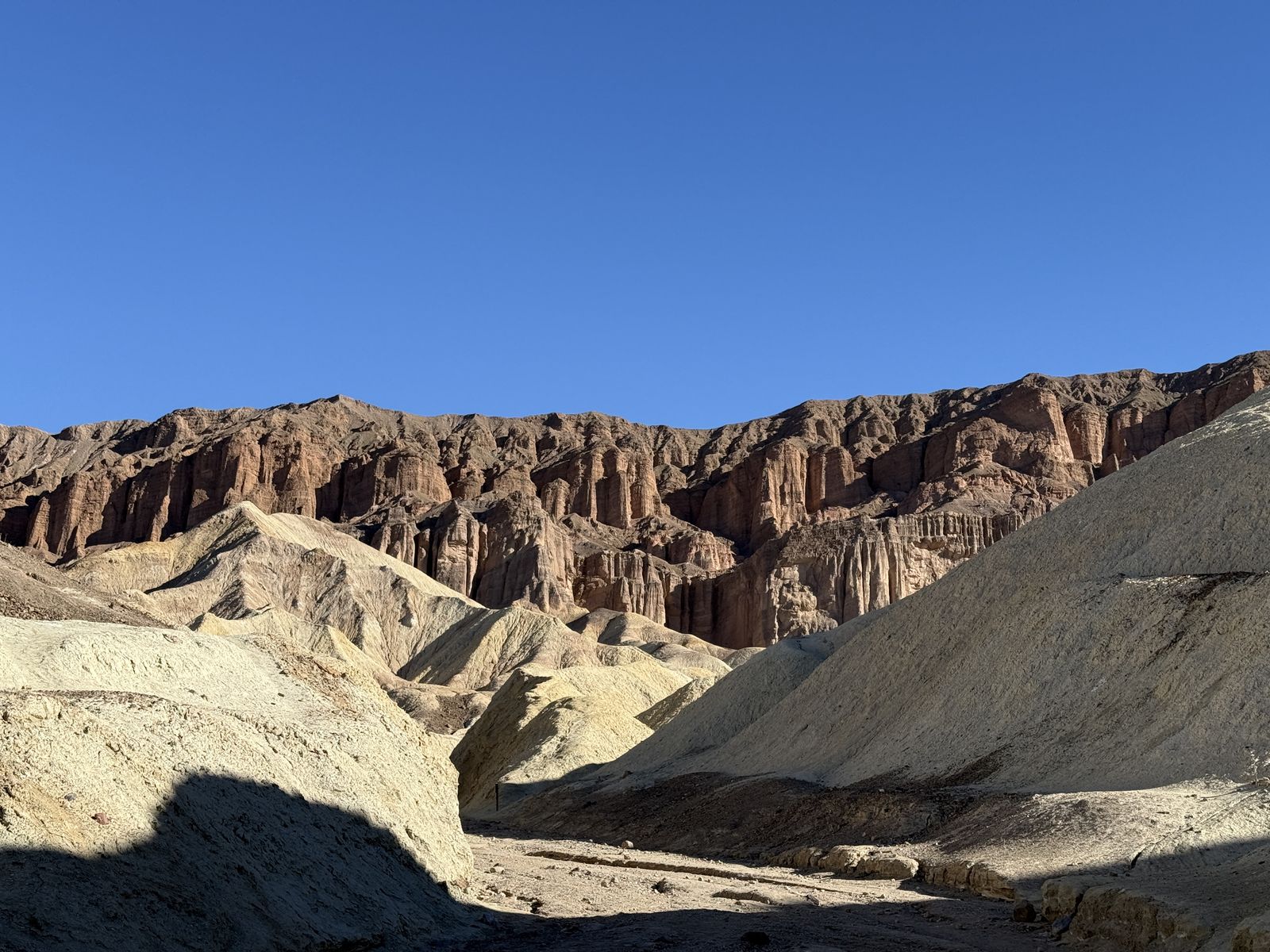
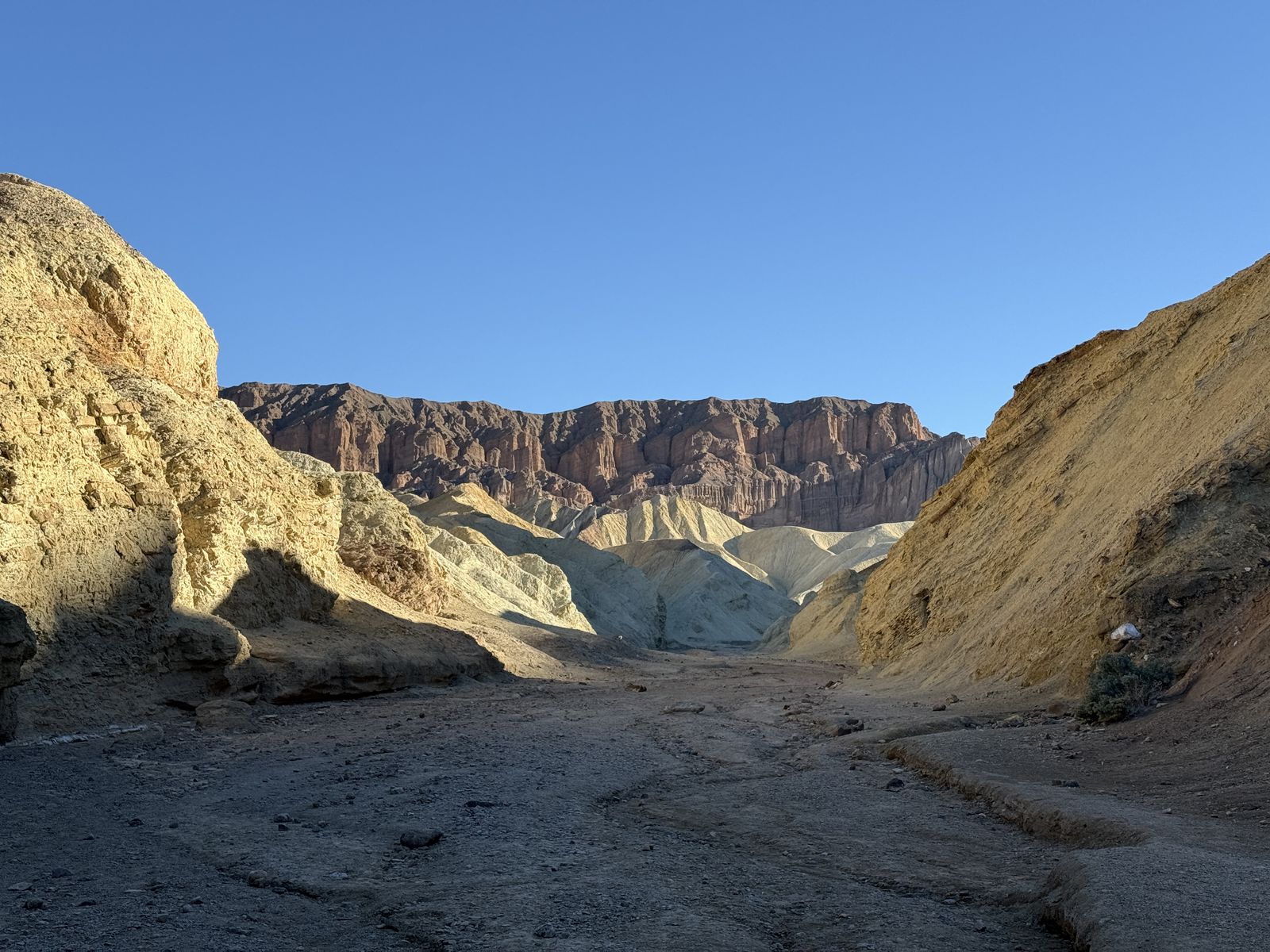
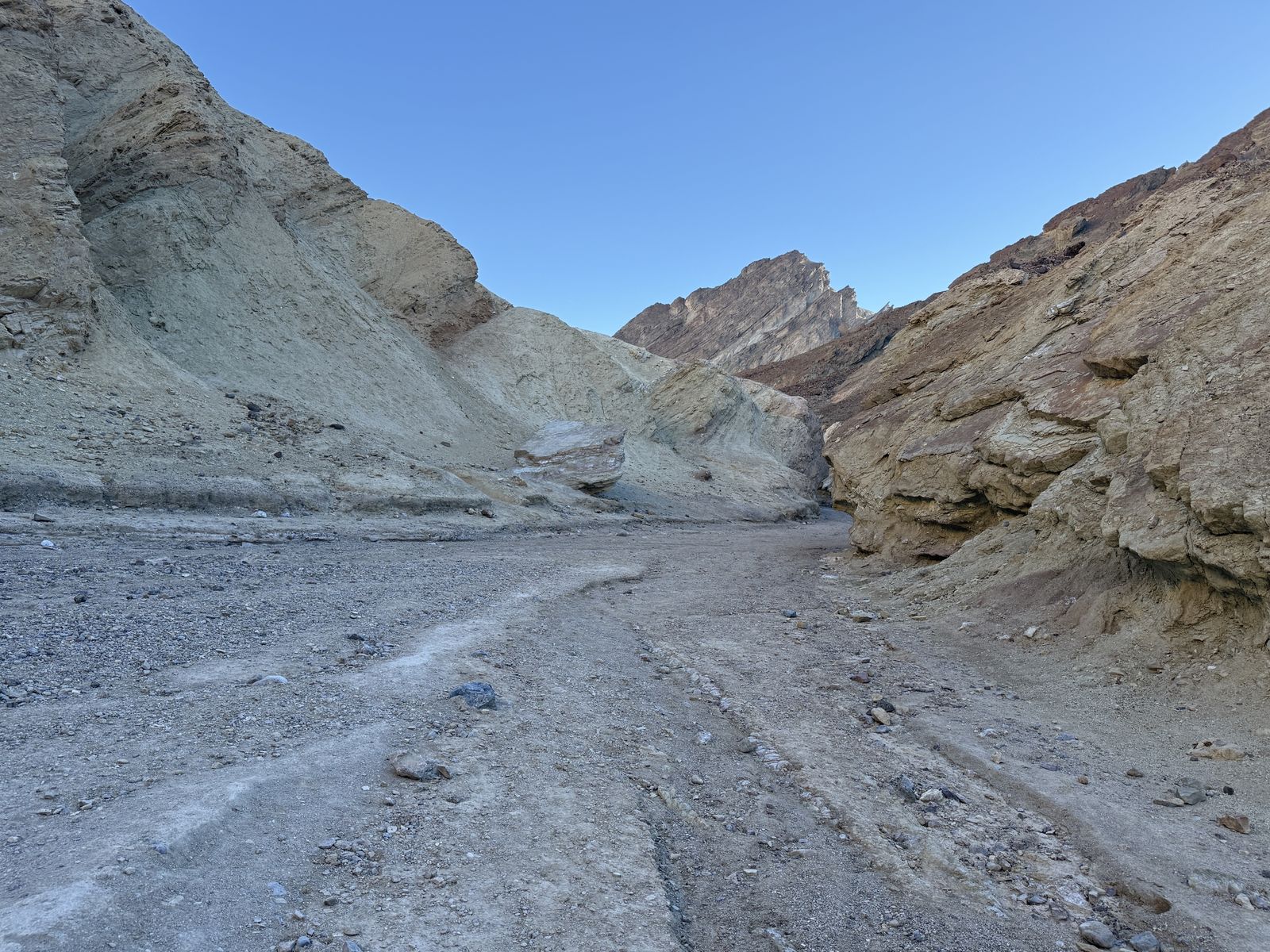
On our first morning we joined a Ranger talk and went on a short hike through Golden Canyon. The park ranger (Ranger Jacob) was fun and we learned about the park's history and geology. He also showed us the Star Wars filming location where the Jawas peeked out at R2 as he moved up the canyon searching for Obi Wan Kenobi. We later saw the location where Luke and 3PO were attacked by the Sand People and rescued by Obi Wan. (Liz was nerding out a bit, but it was very fun!)
Mesquite Flat Sand Dunes
Liz took a sunset hike out to these sand dunes - amazing views! The desert is so quiet and peaceful, it can be magical.
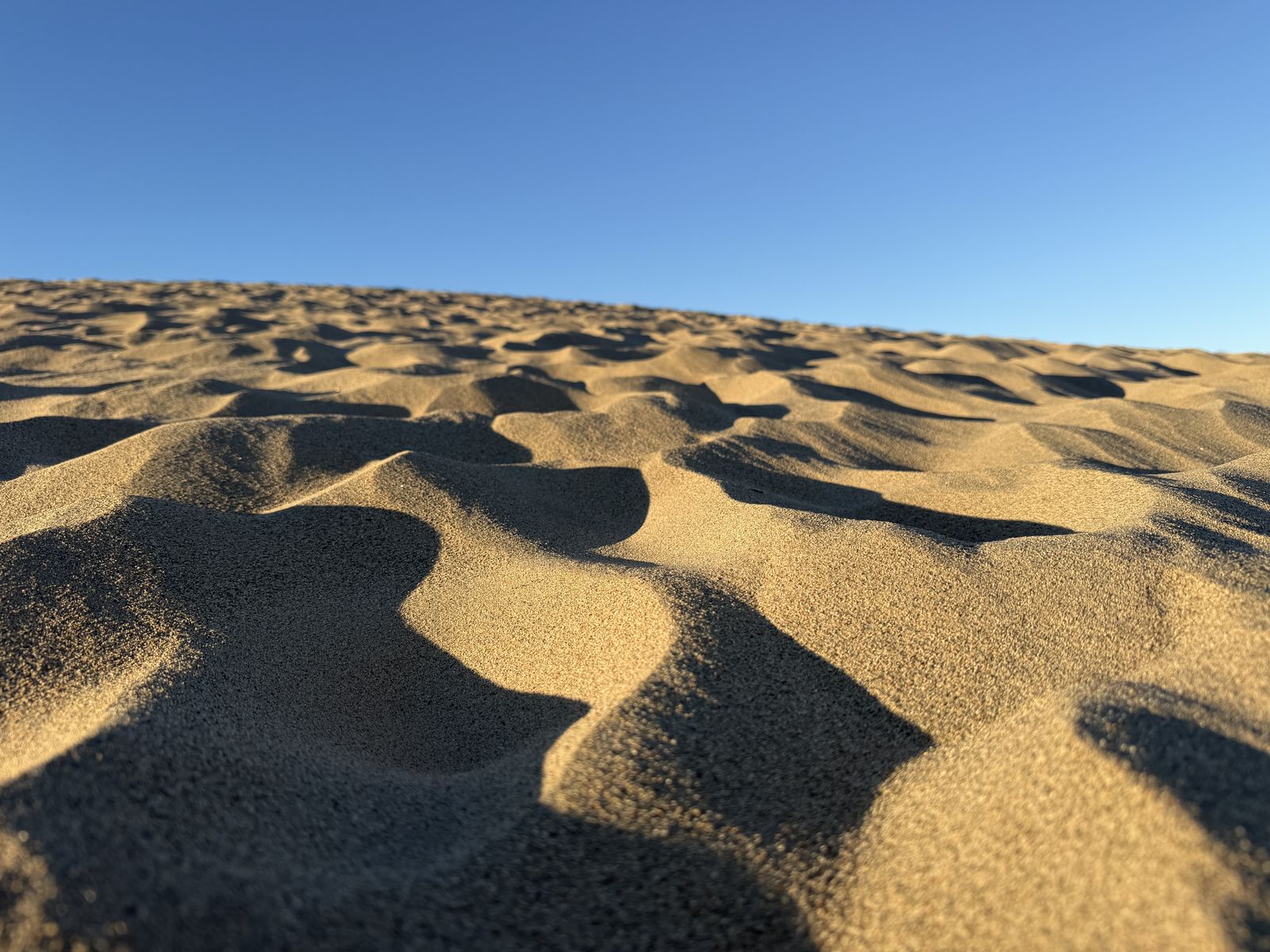
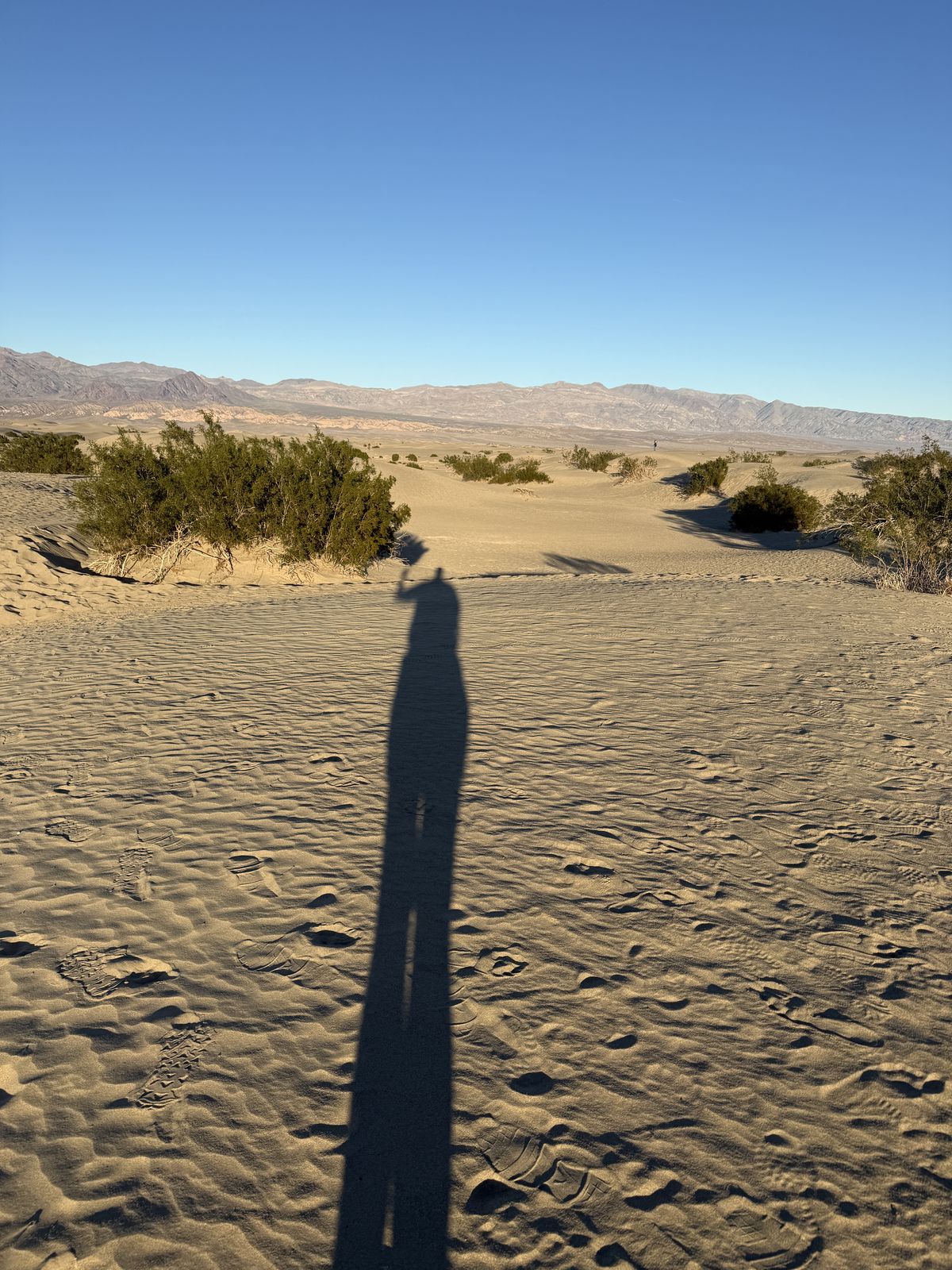
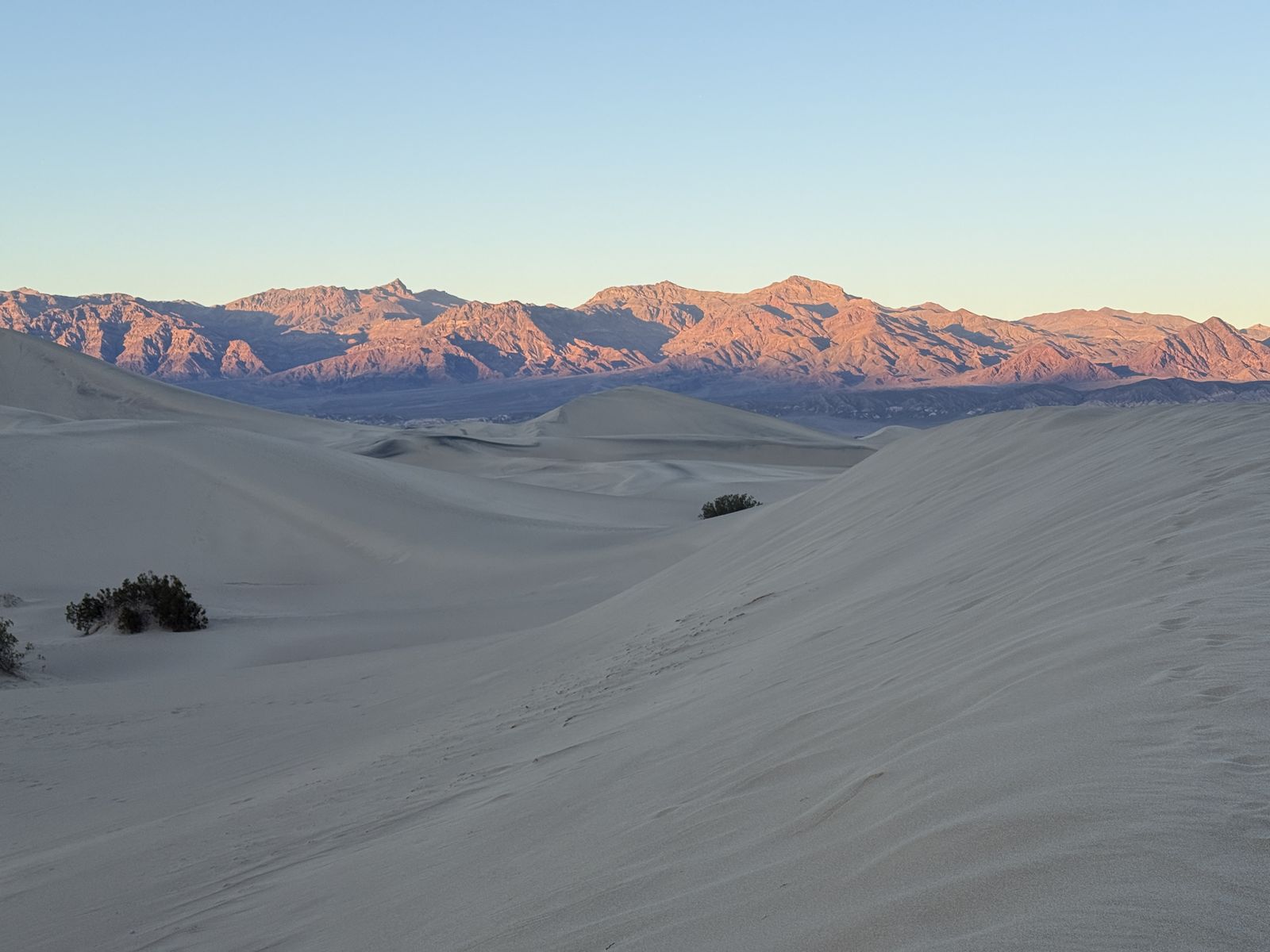
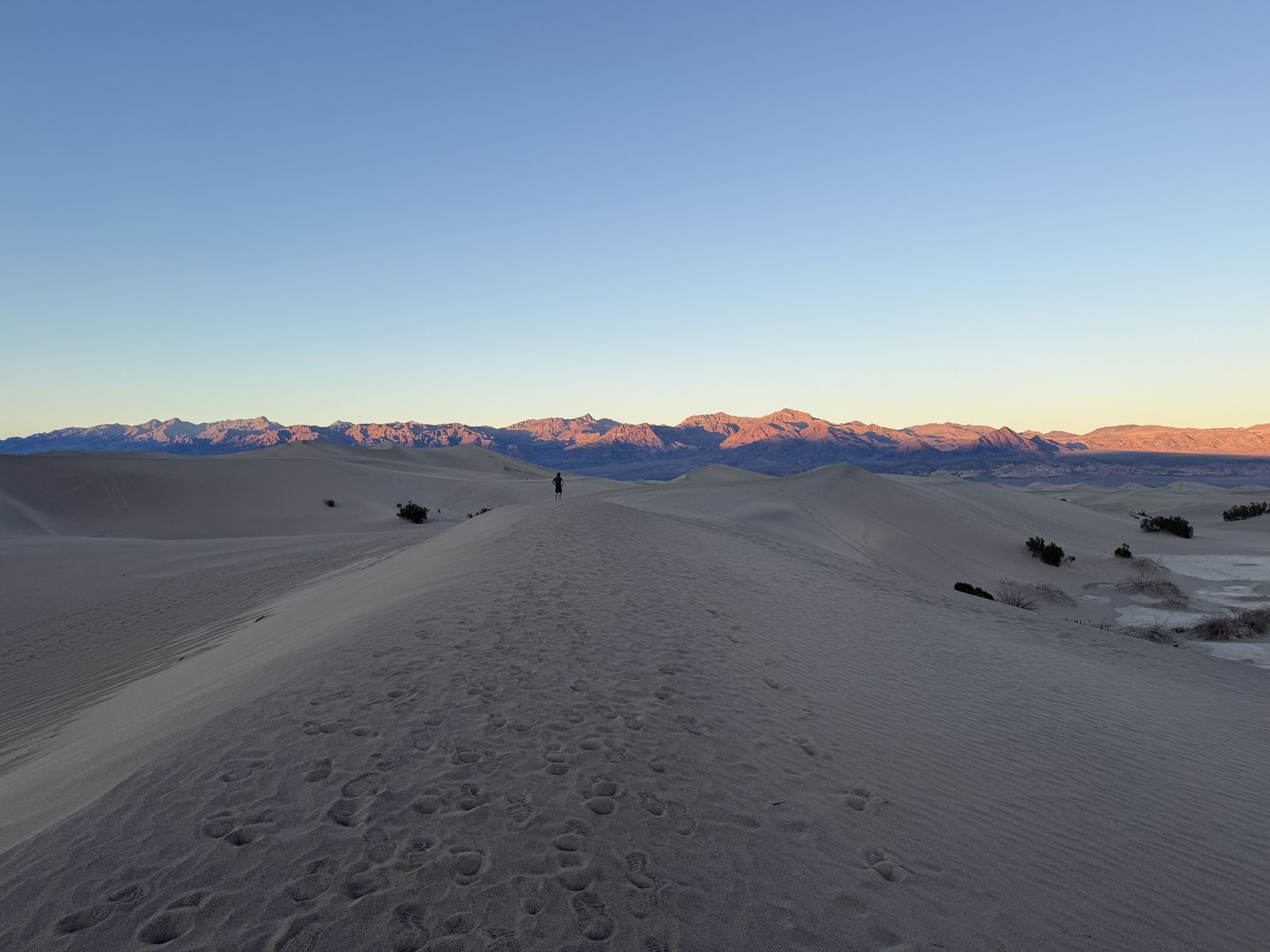
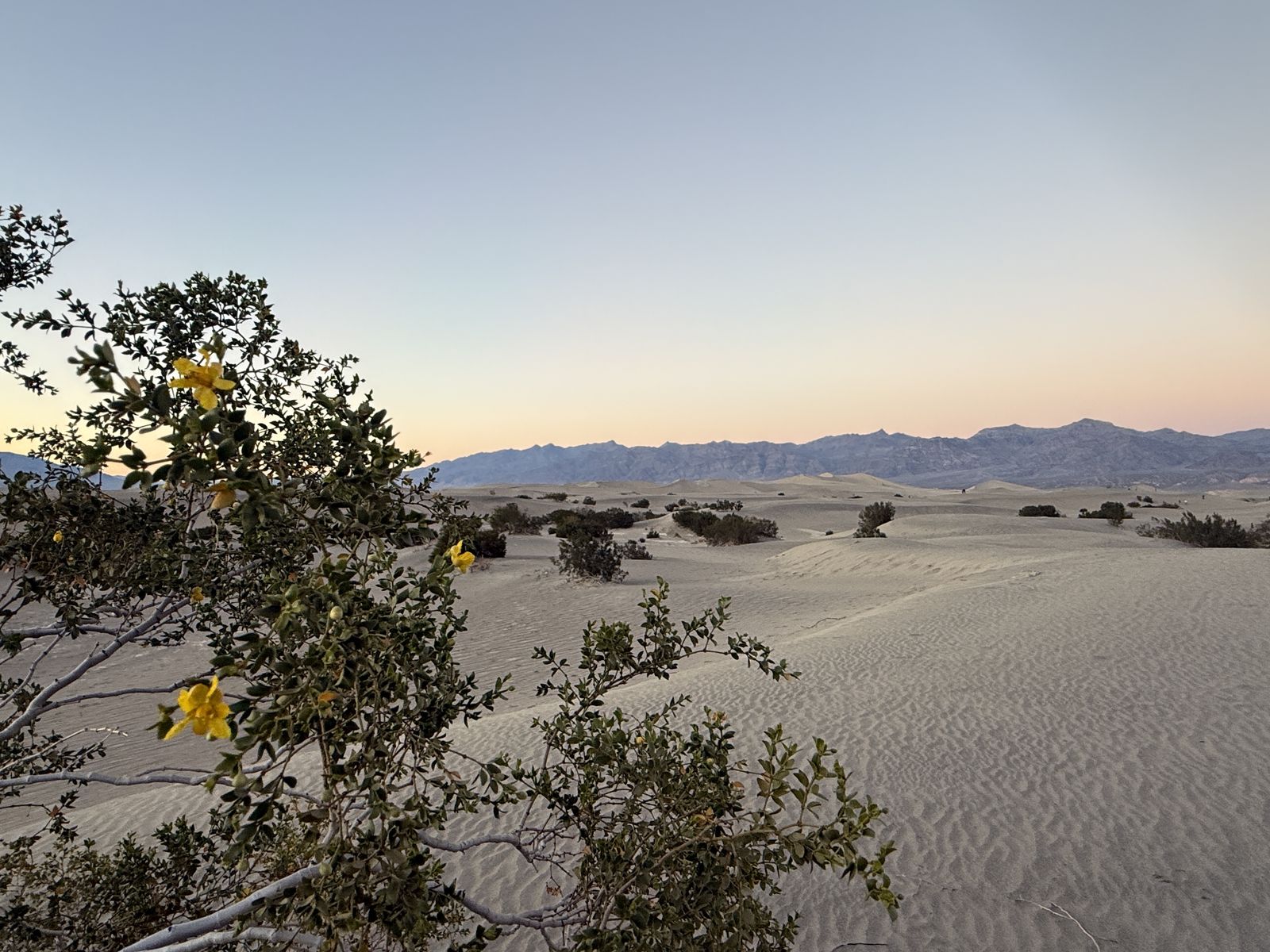
The dunes were also very fun because this was the location of the scene where R2D2 and C3PO crash landed in the escape pod when they escaped from Princess Leia's ship, and were arguing about which direction to go.
Badwater Basin
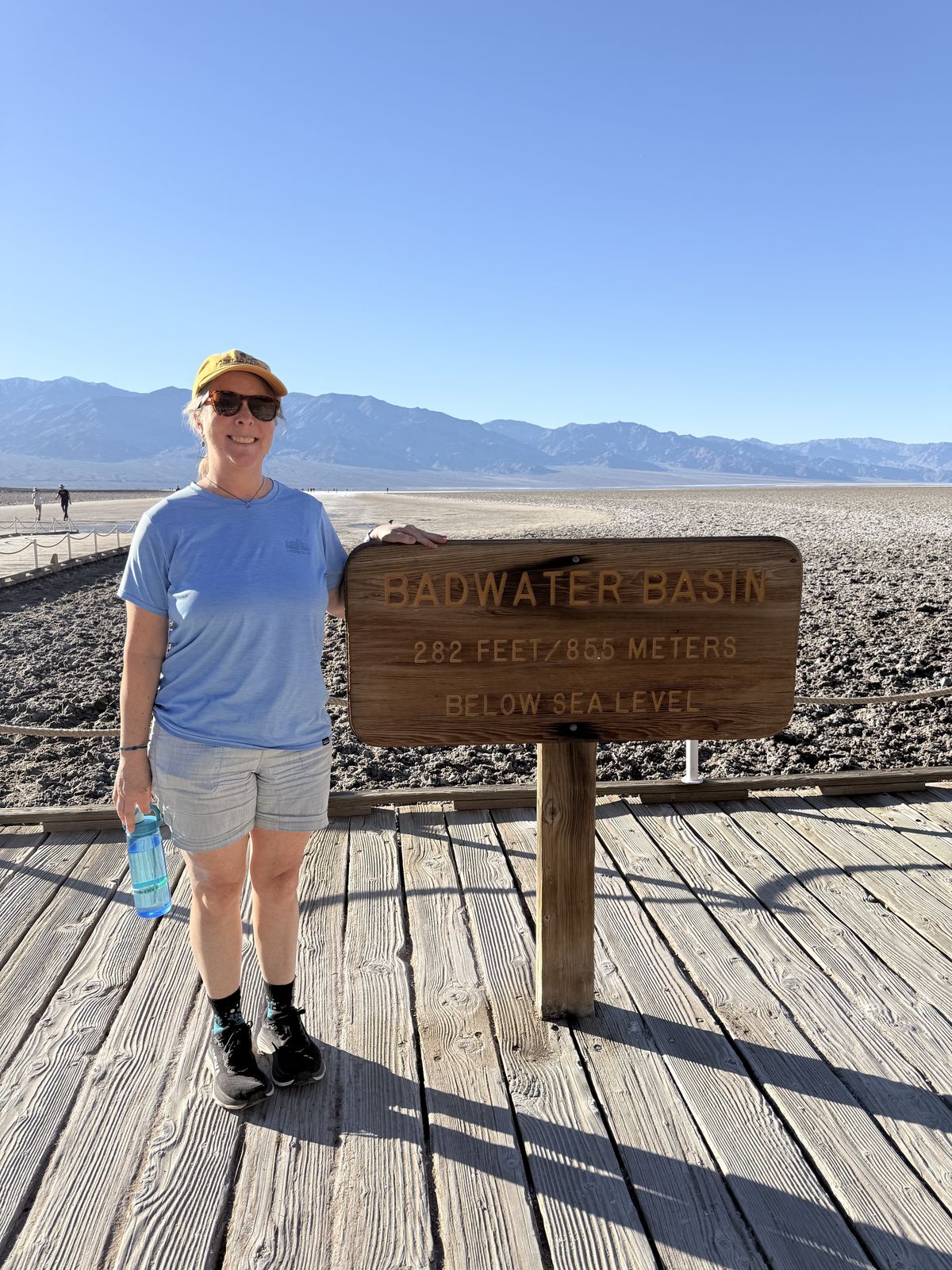
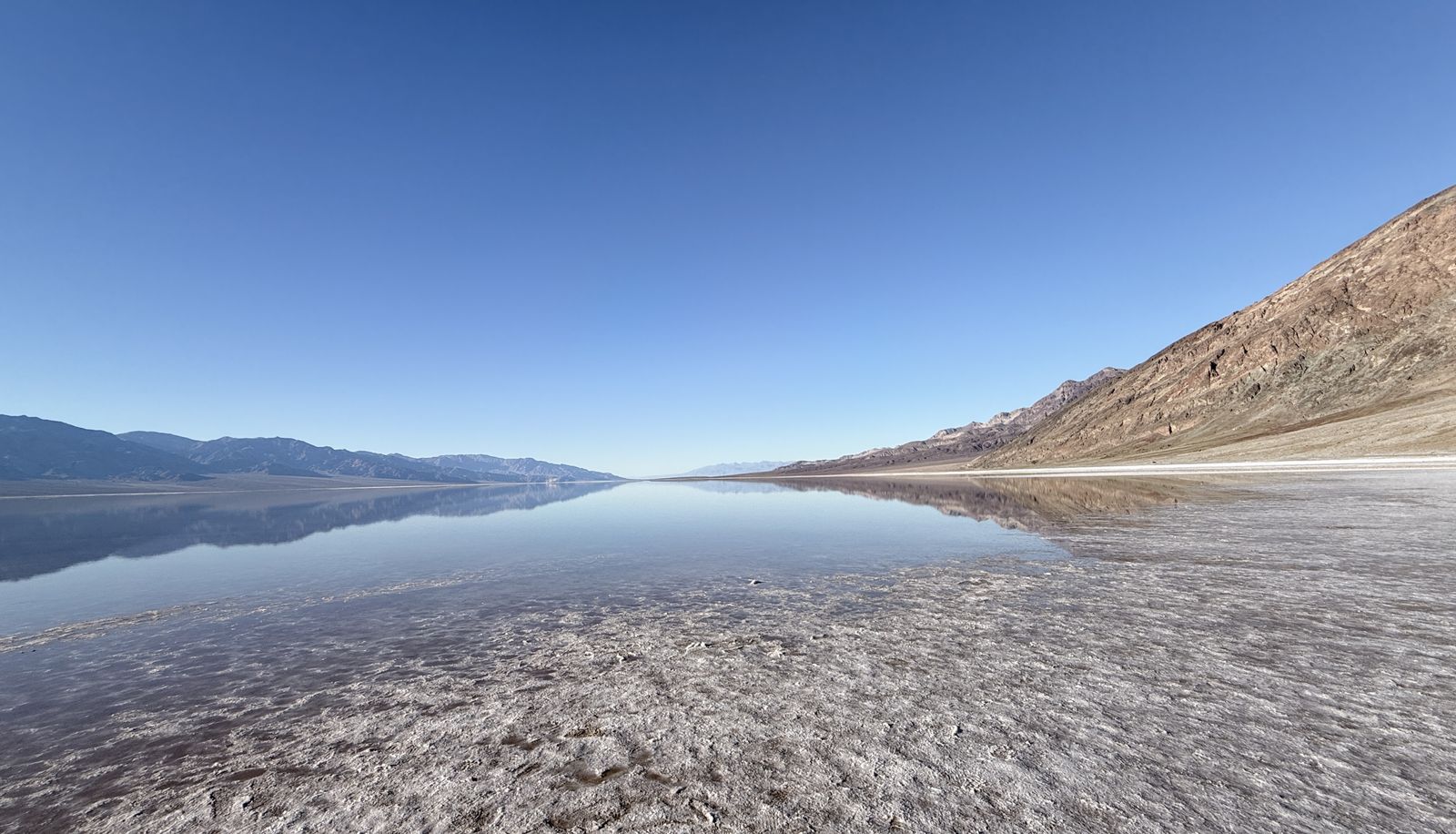
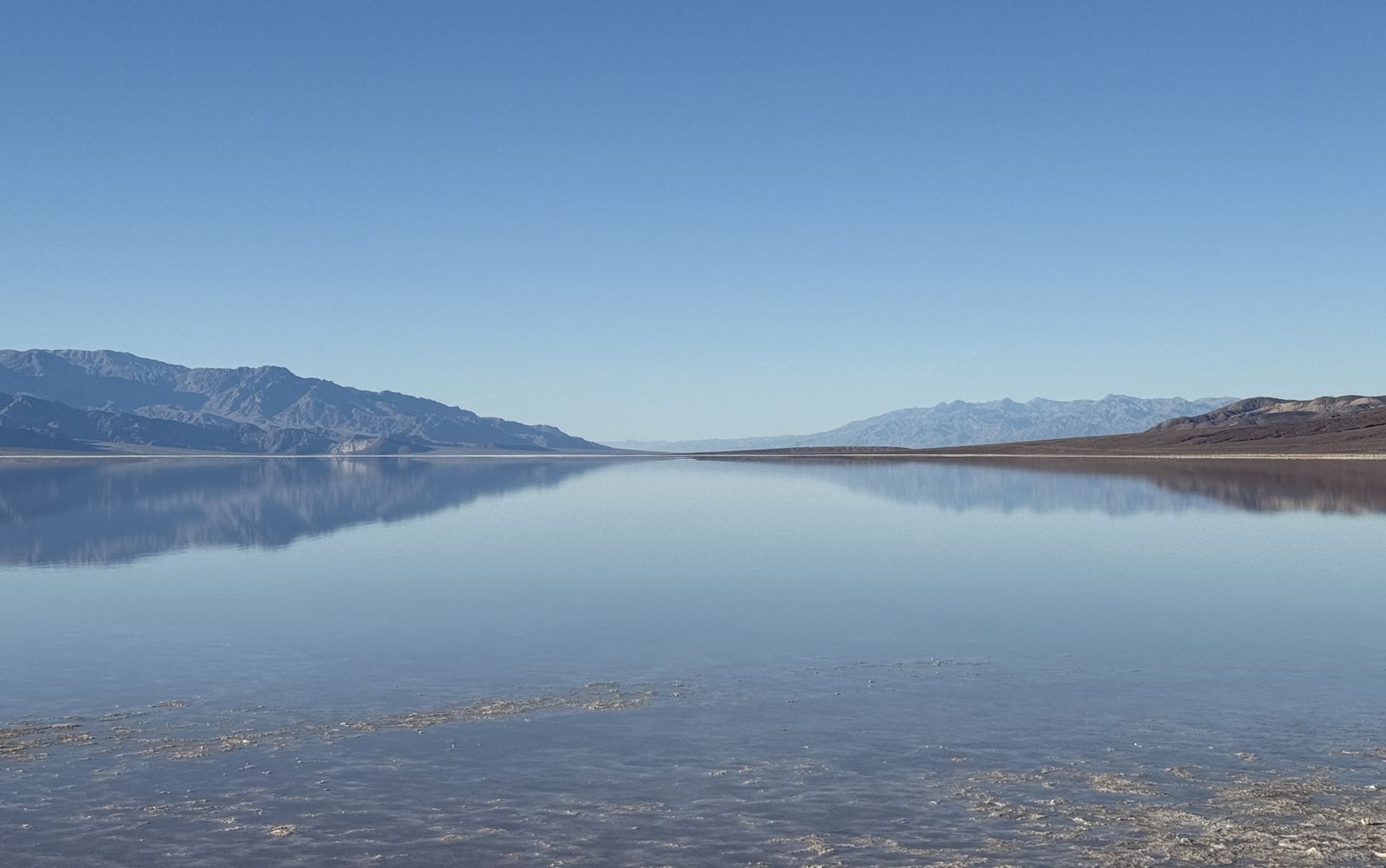
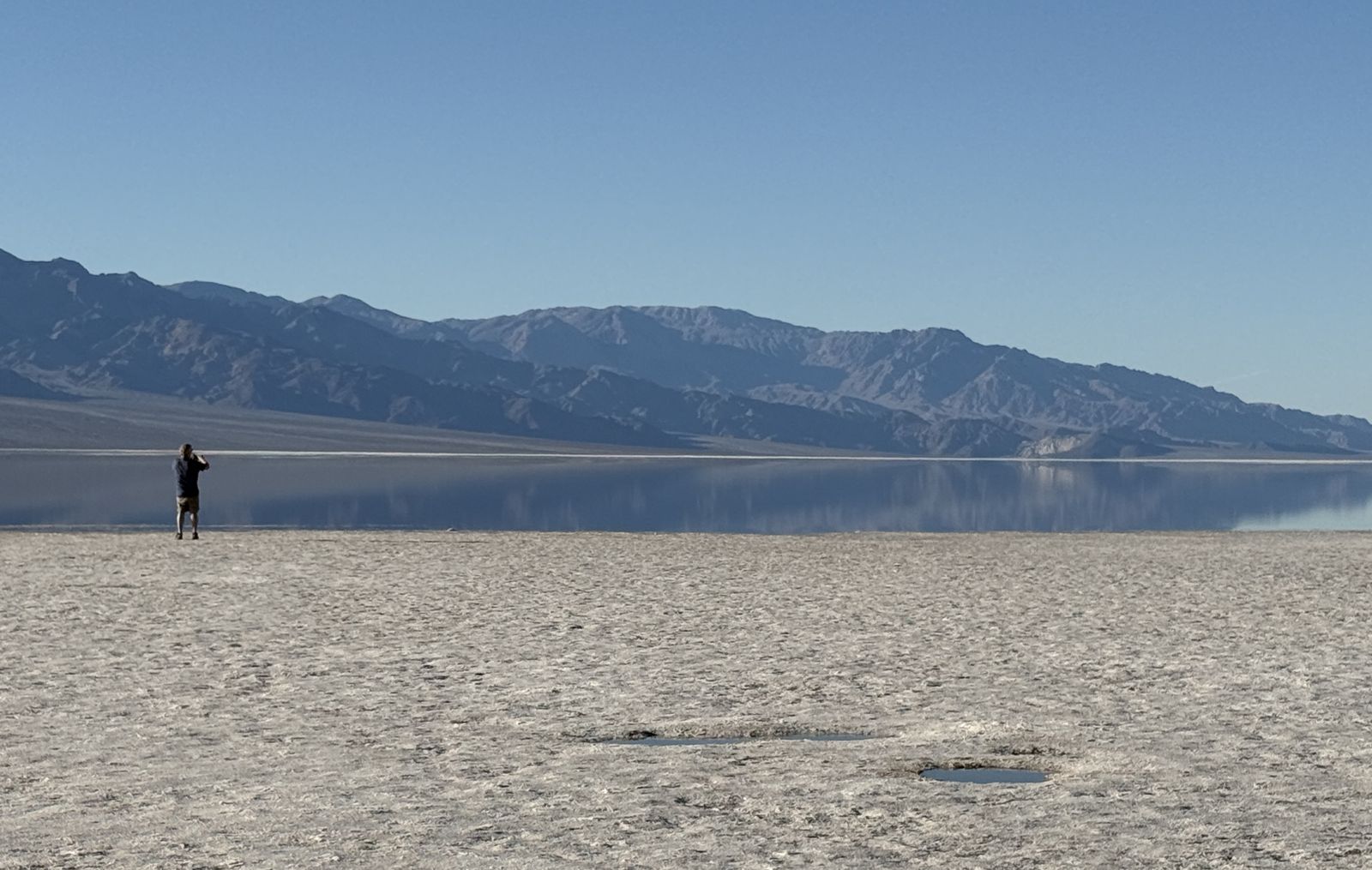
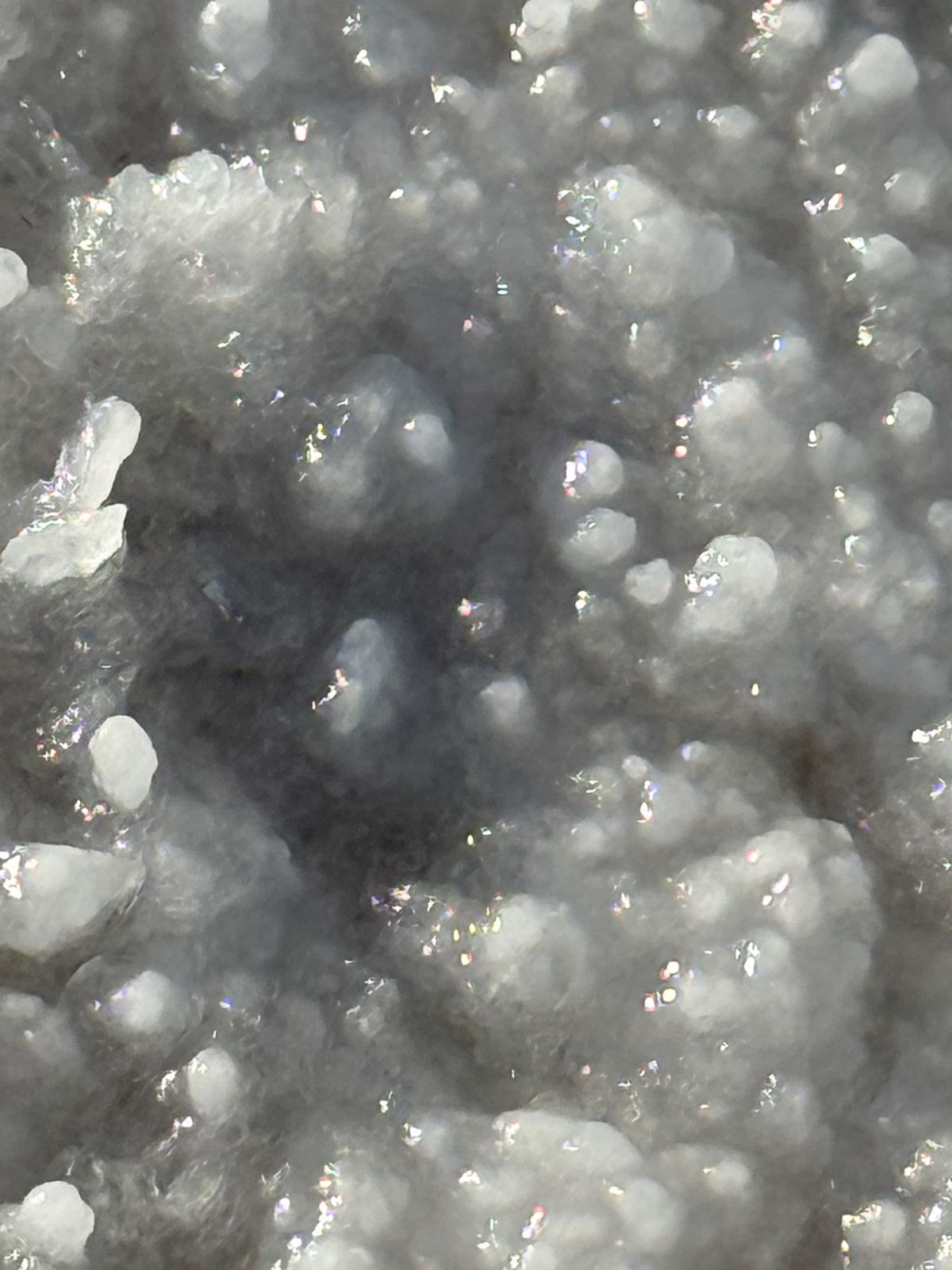
Visiting Badwater Basin was surreal. It is the lowest point in North America at 282 feet below sea level and one of the lowest points on Earth. We took a short walk on the crusty salt surface to the 'lake' and saw some beautiful reflections.
Artist’s Palette
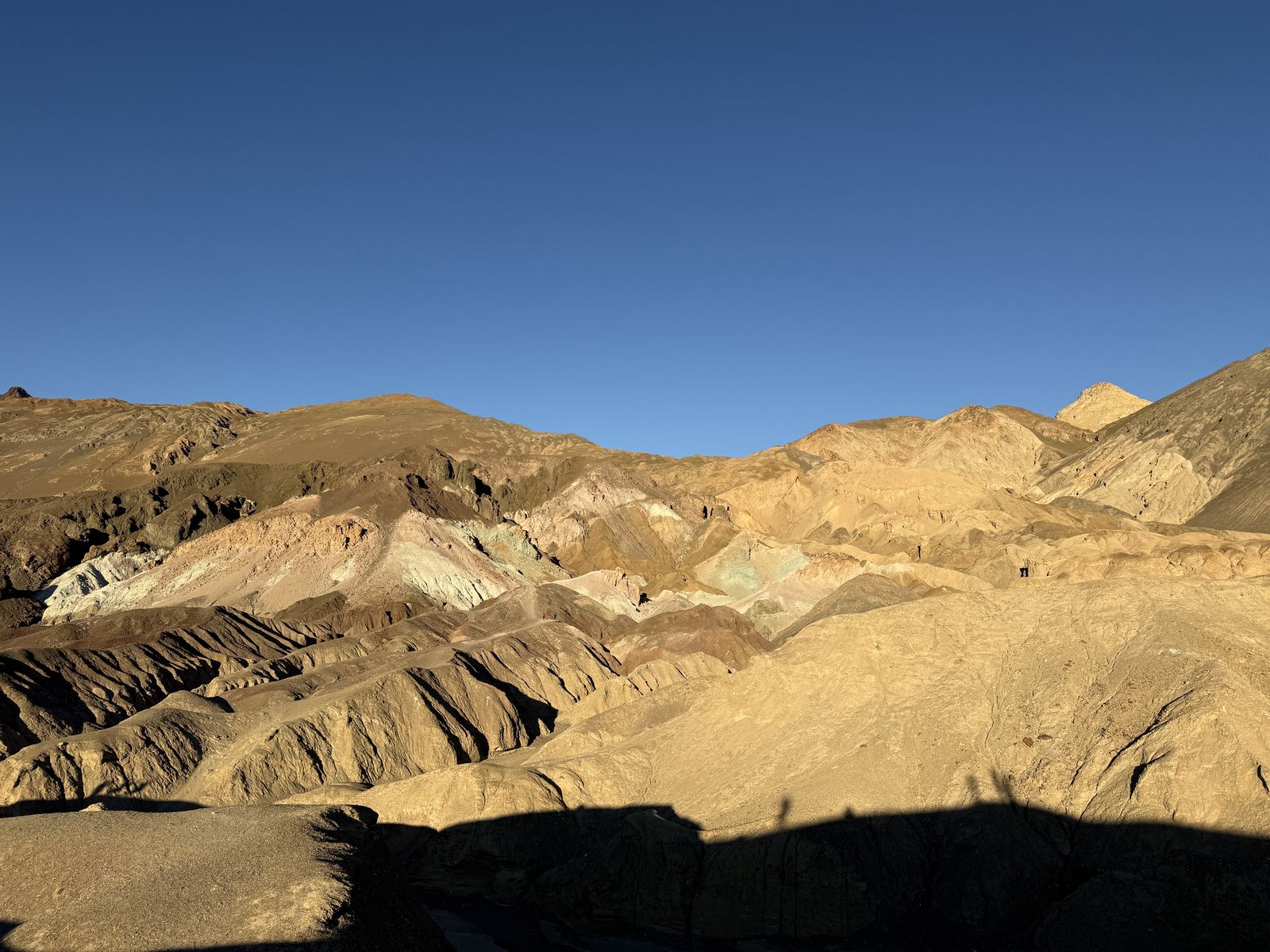
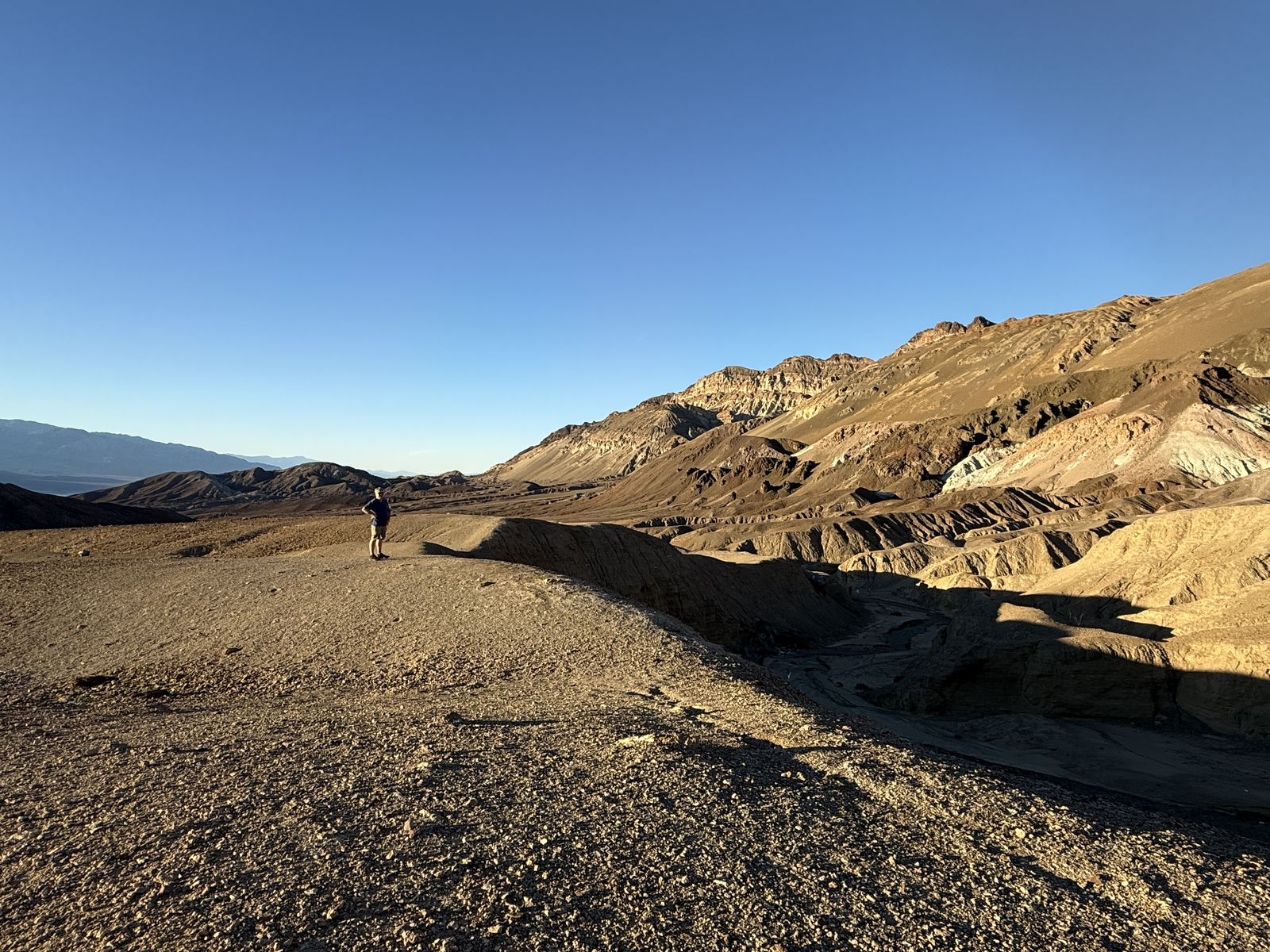
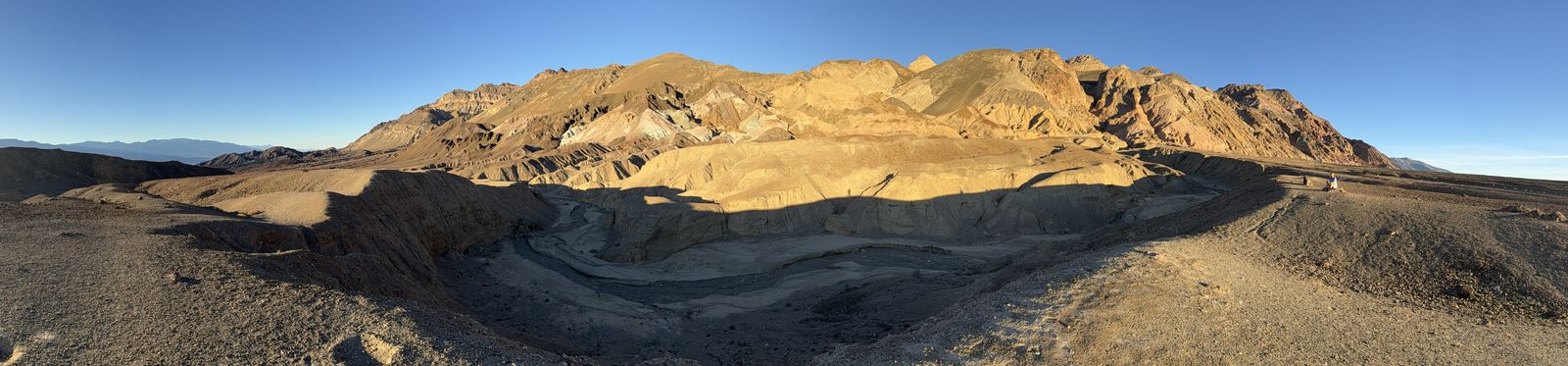
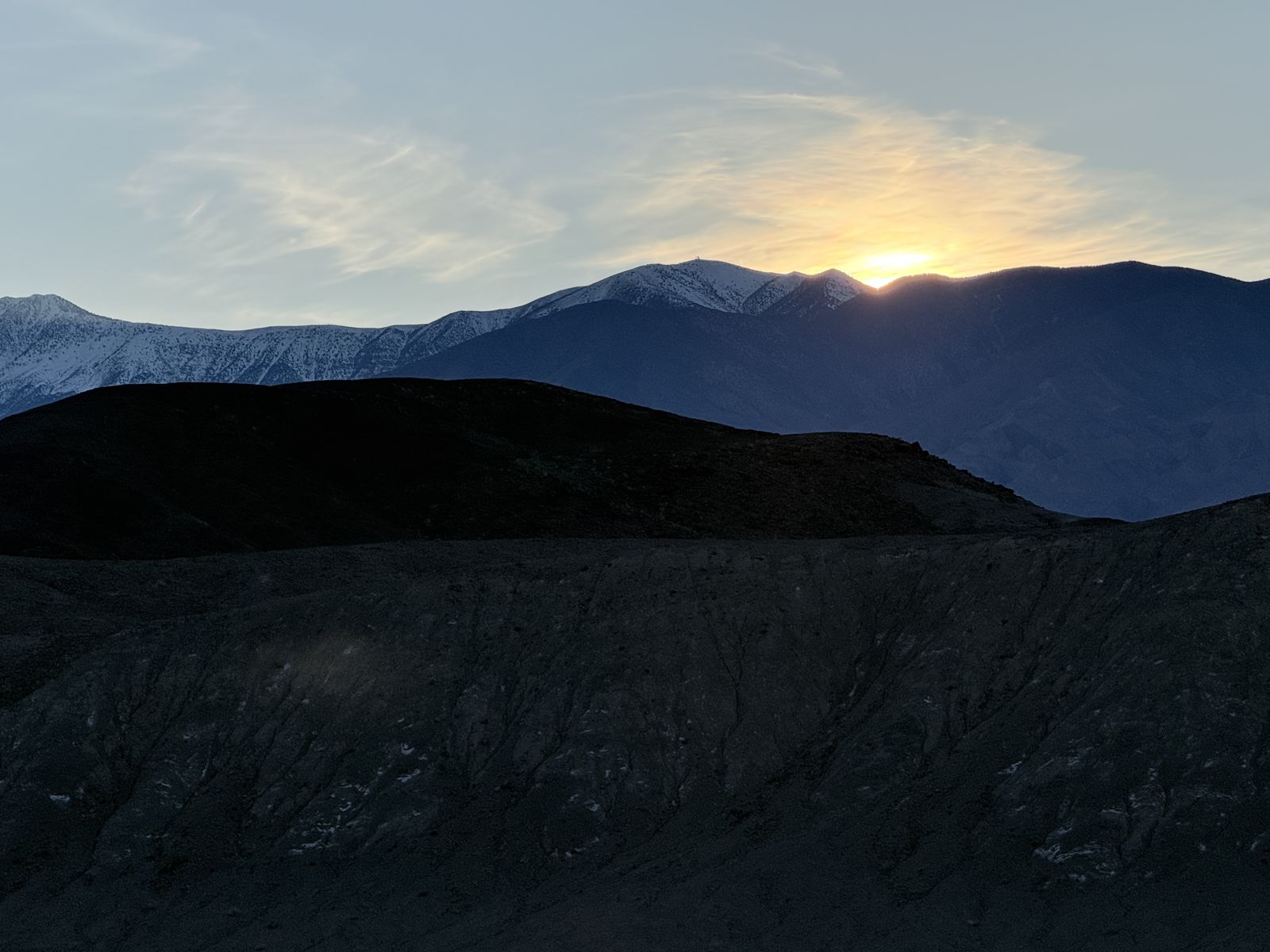
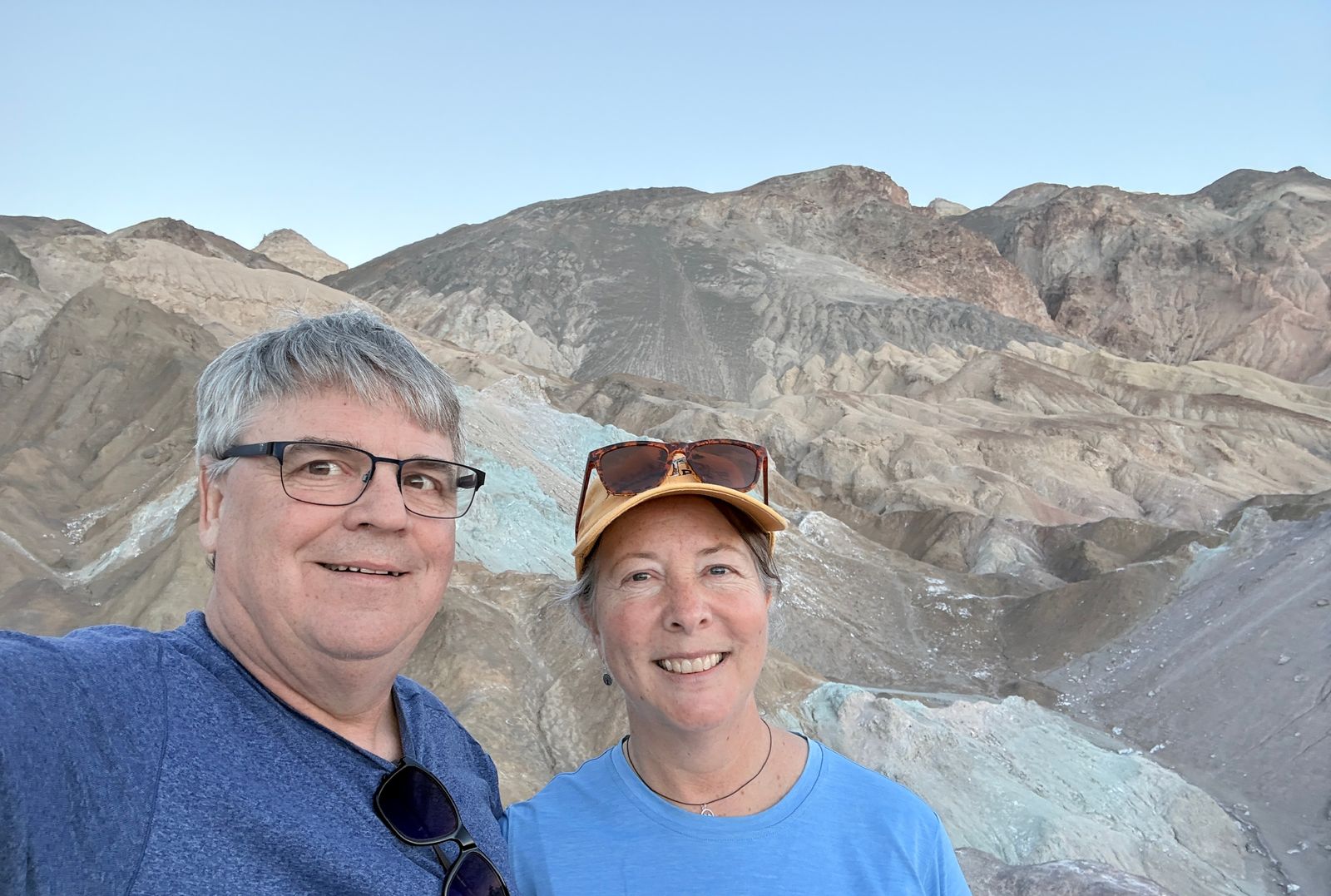
The Artist’s Palette drive had gorgeous vibrant, multi-colored hills. We stopped at several viewpoints to capture photos and enjoy the unique geology and sunset.
Dante’s View
As we were leaving on the valley and heading for the Grand Canyon we stopped by Dante’s View and enjoyed panoramic views of the valley floor below. The elevation here is just over 5,400 feet, providing a different perspective on the desert below (Badwater Basin is far below us in these pictures). Telescope Peak (in the first photo below) is over 11,000 ft high - the highest point in the Park.
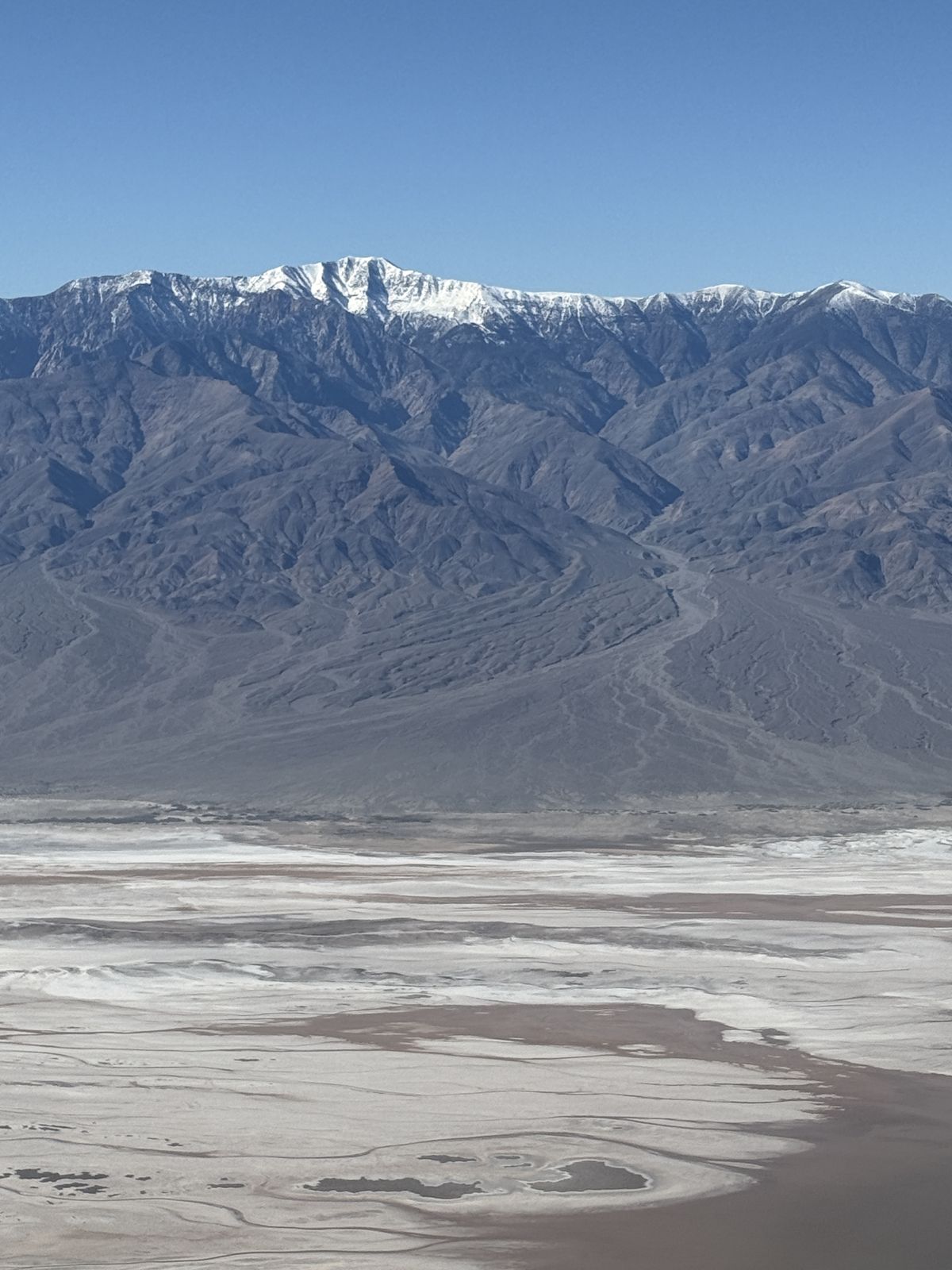
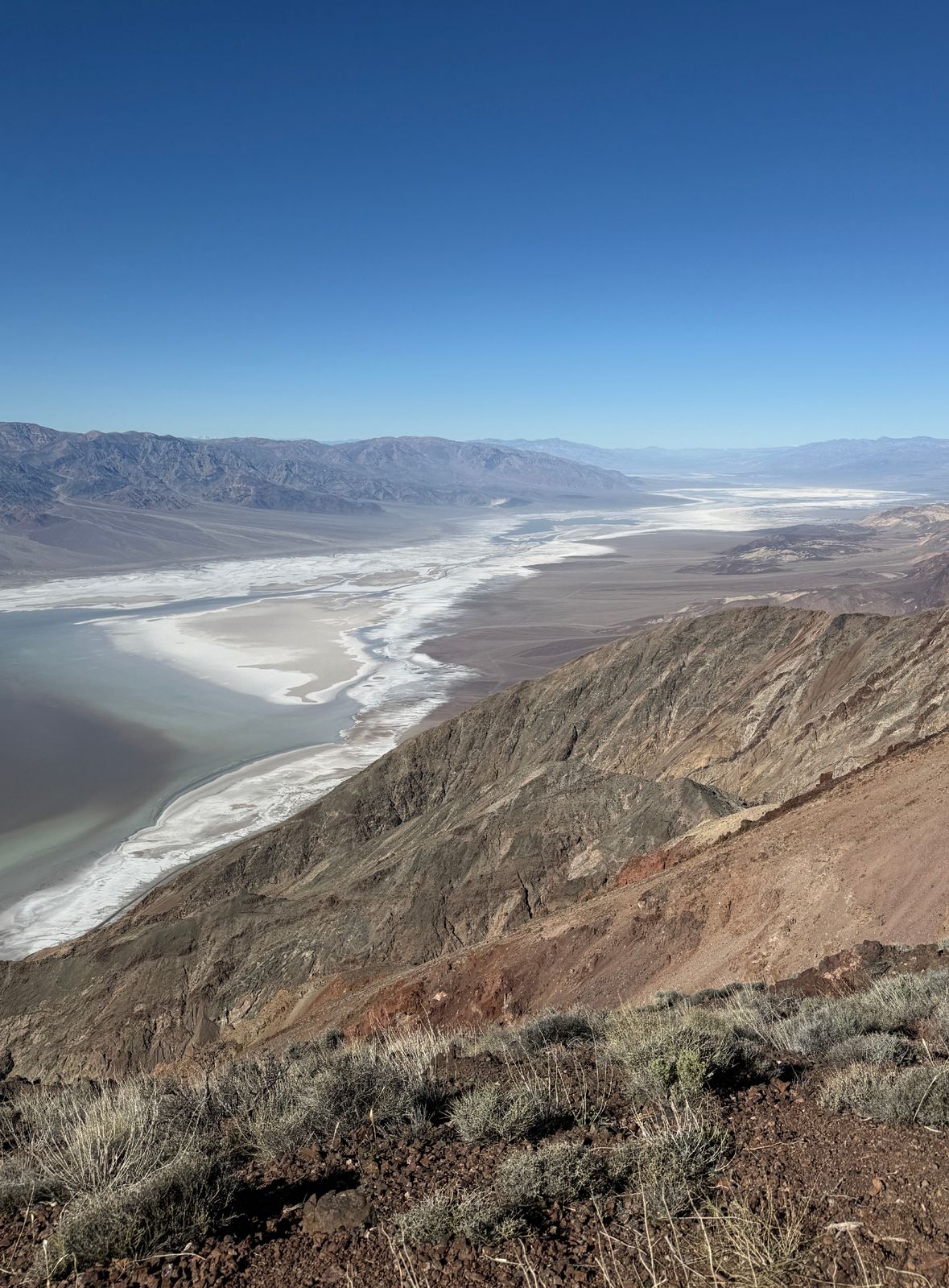
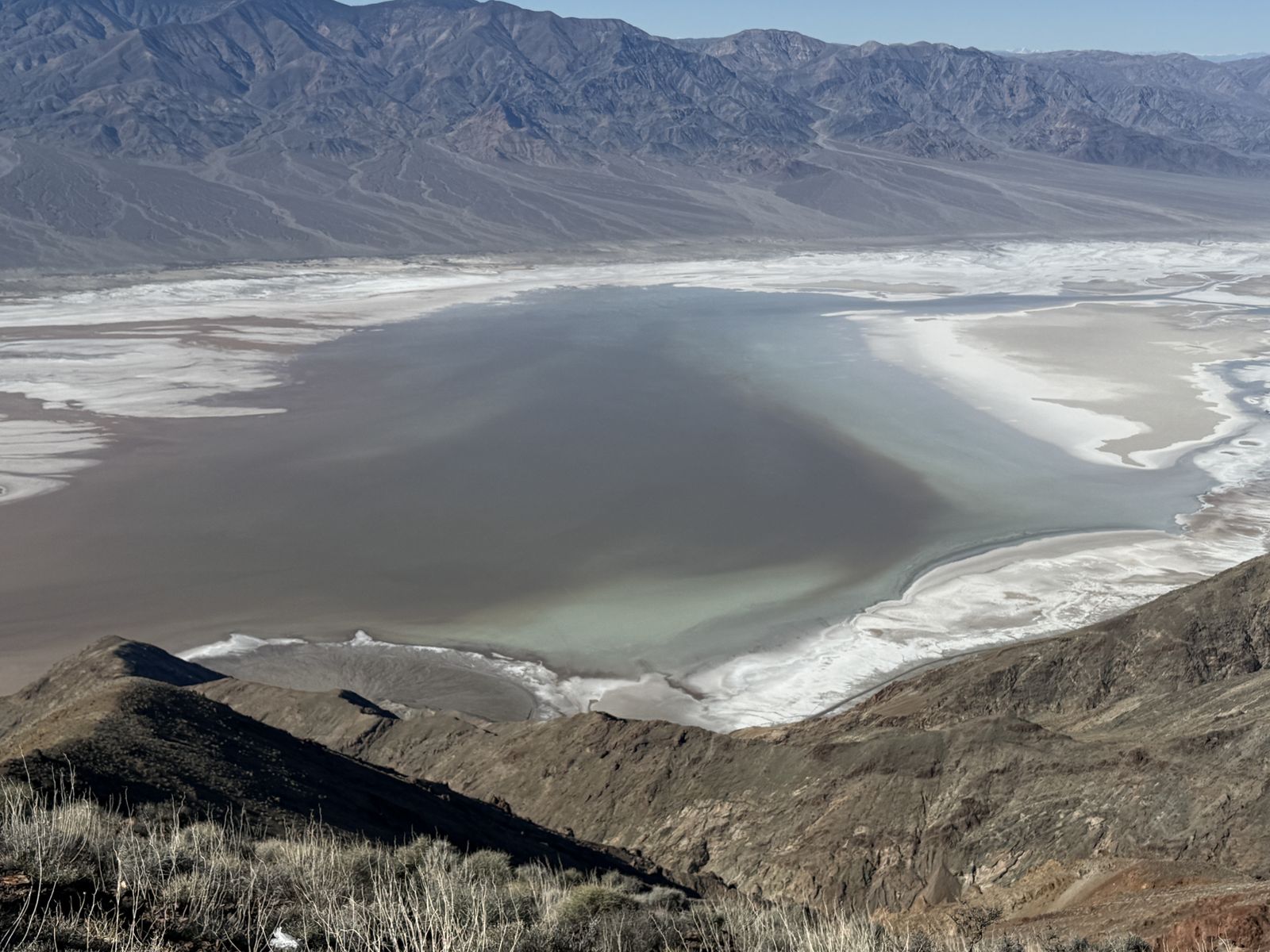
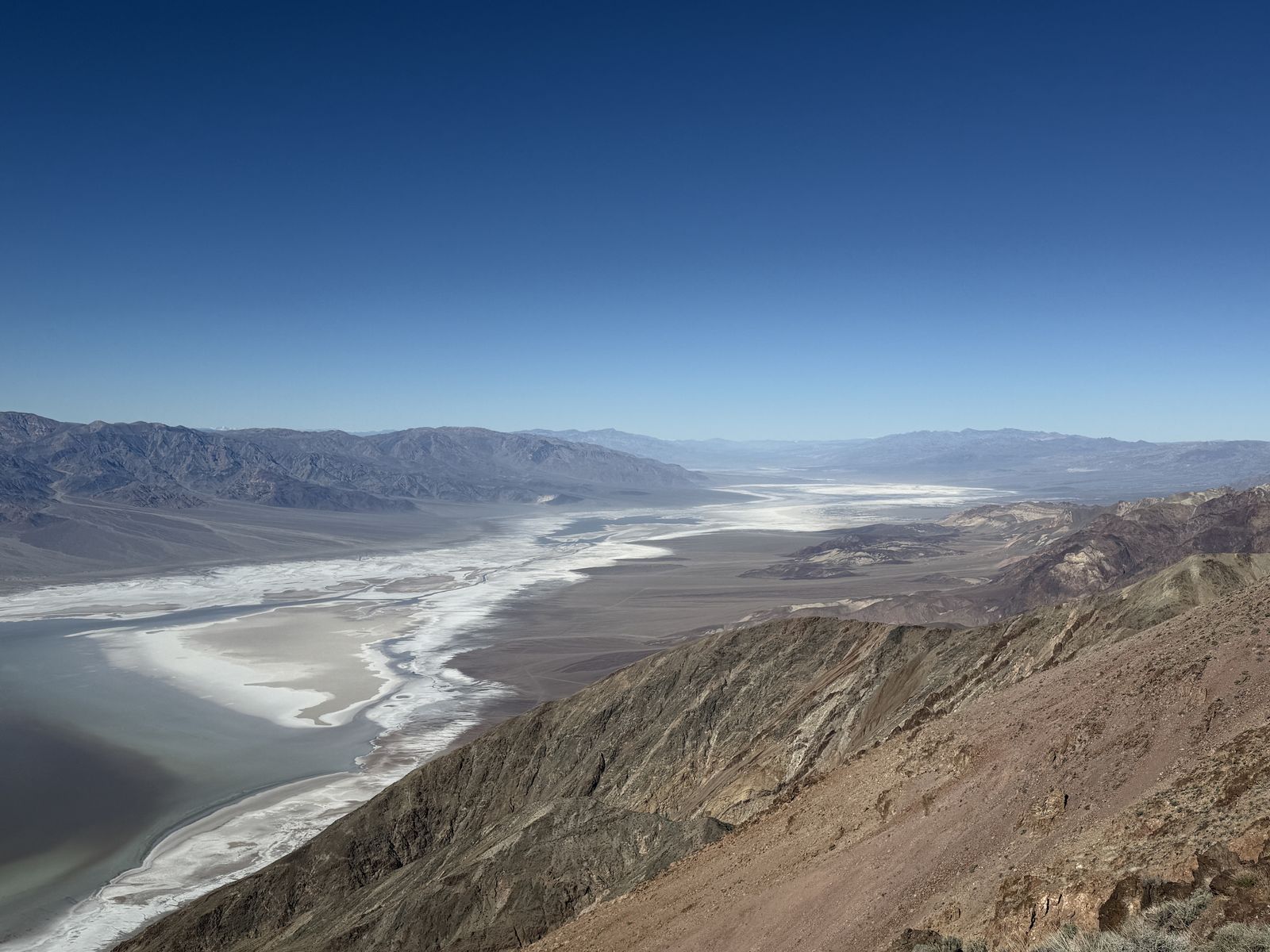
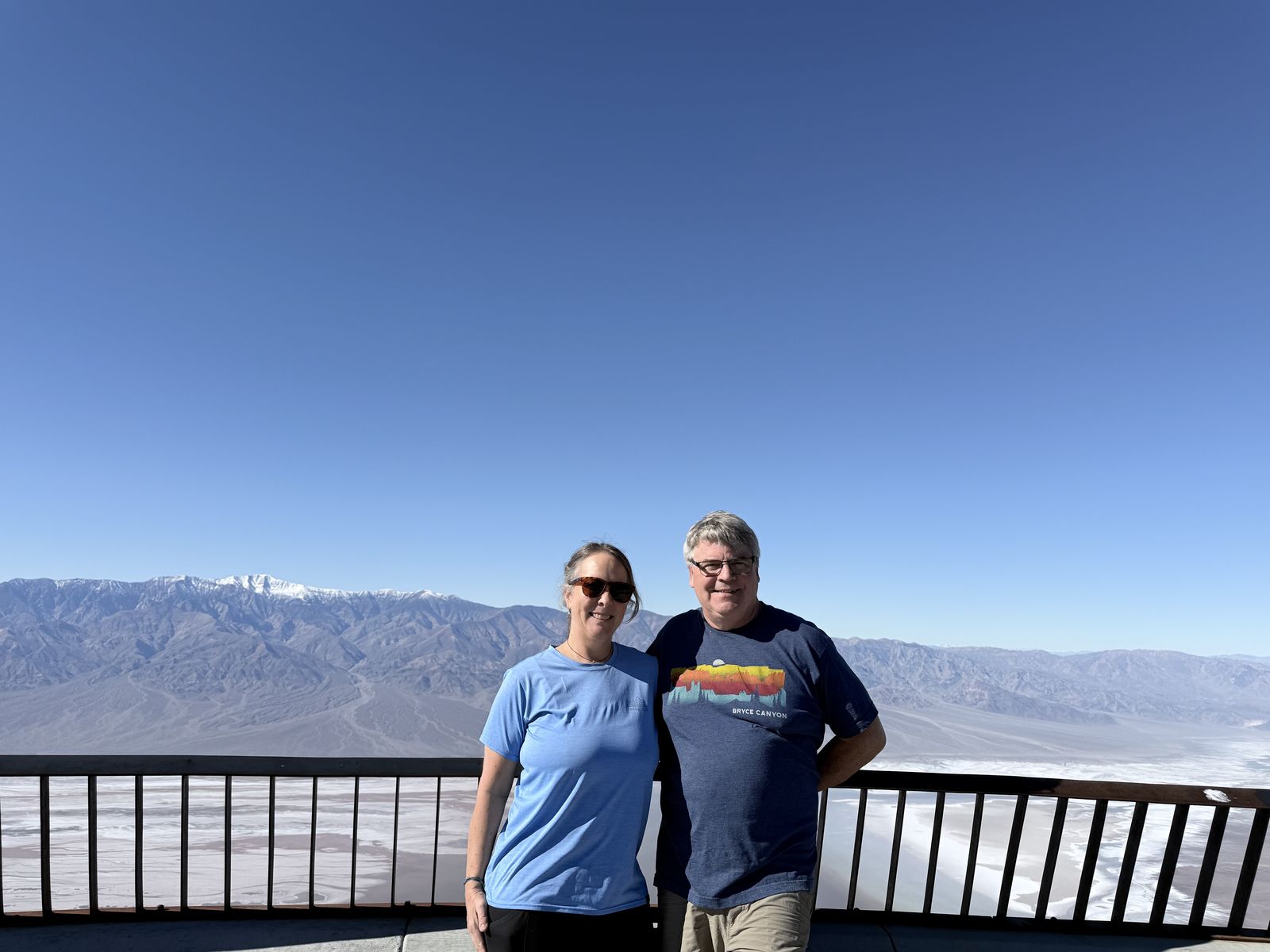
This is the location where Luke and Obi Wan looked down at Mos Eisley Space Port and Obi Wan says "You will never find a more wretched hive of scum and villainy. We must be cautious." Alec Guiness and Mark Hamill stood here!! The Mos Eisley scenes were filmed down below in Badwater Basin.
One Final Note: Faulting
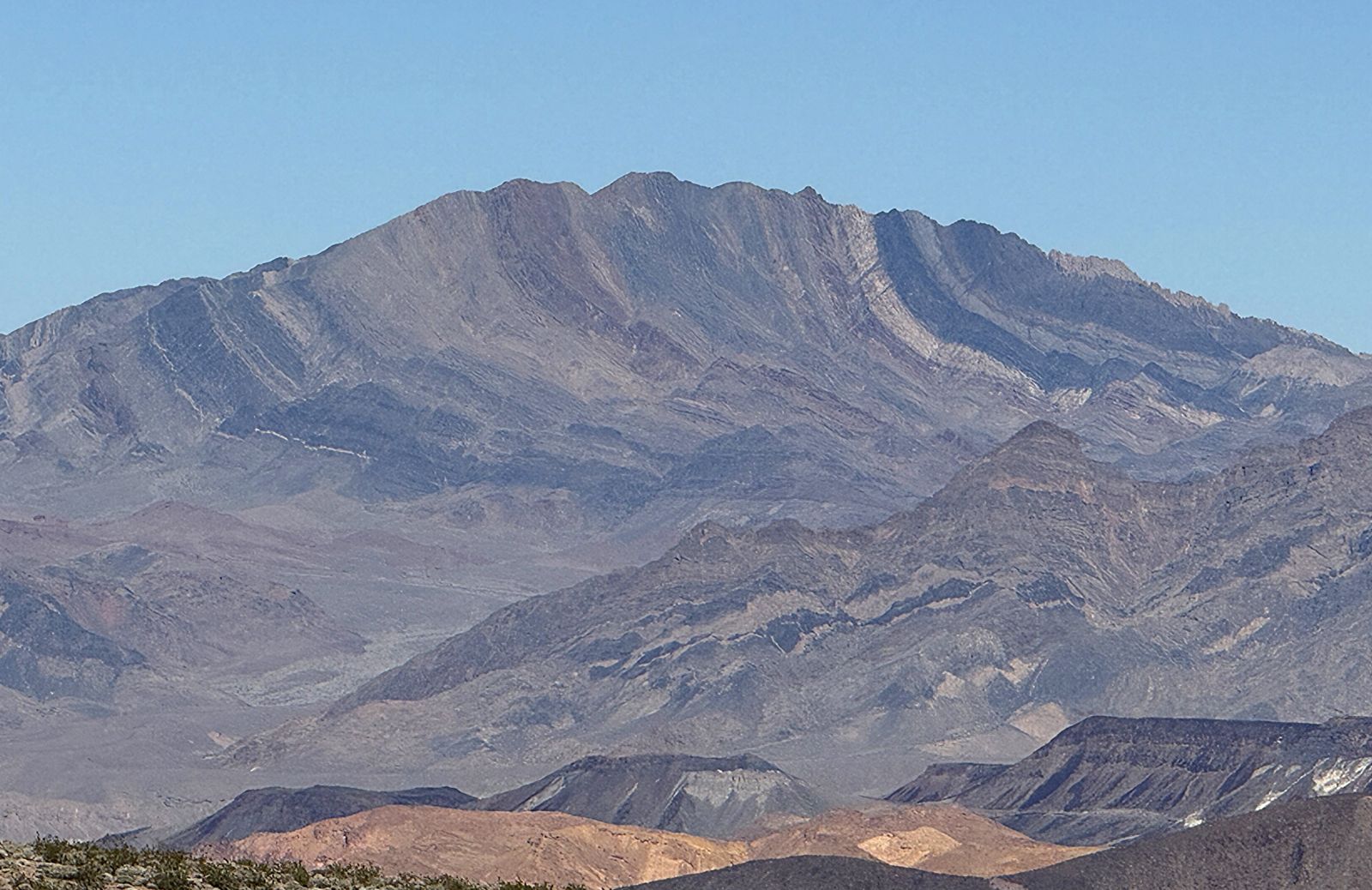
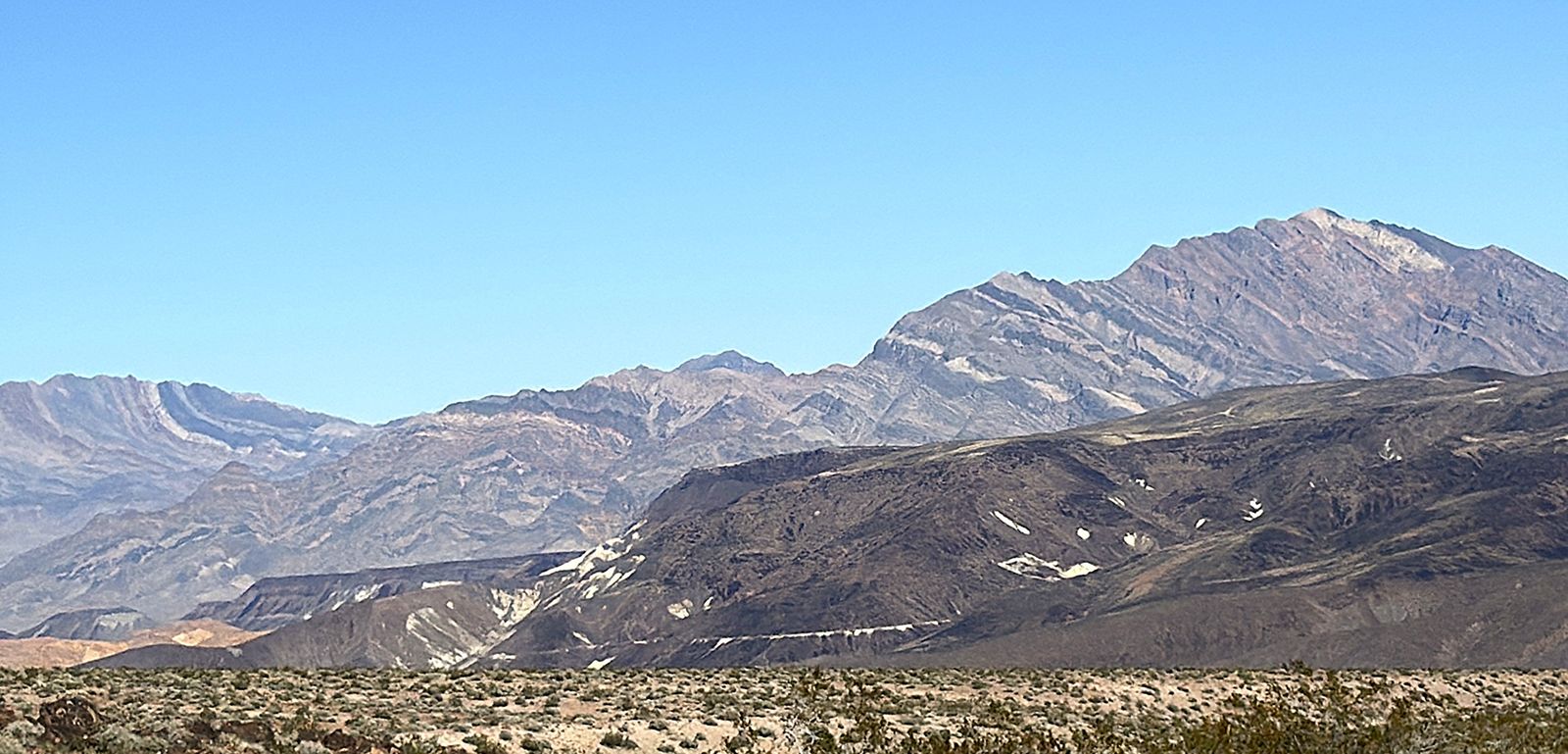
As we left Dante's View we were met with an excellent example of how the plate tectonics are at work here. In these photos you can clearly see how portions of the landscape are being thrust up at an angle, This is a result of complex faulting forces that are pulling apart and stretching the area. Note the sediment layers are pointing almost straight up (vs being horizonal) in the first photo. As you walk through many areas of Death Valley you see everything is on a slant. All of this land was horizontal millions of year ago, much of it a seabed. Layers of geological activity formed on top of the seabed and sandstone, including lots of volcanic action. These are all being lifted up to an almost vertical position.
Final Thoughts on Our Death Valley Adventure
Our trip to Death Valley National Park was an unforgettable experience, and as usual we are in awe of the wonder and beauty of our wild landscapes. We must continue to protect and preserve them so everyone can enjoy and appreciate them! This will be a repeat adventure now that we have the lay of the land. Now off to a couple days at Grand Canyon!